 EN
EN

Setting Clear Requirements Before Contacting Suppliers
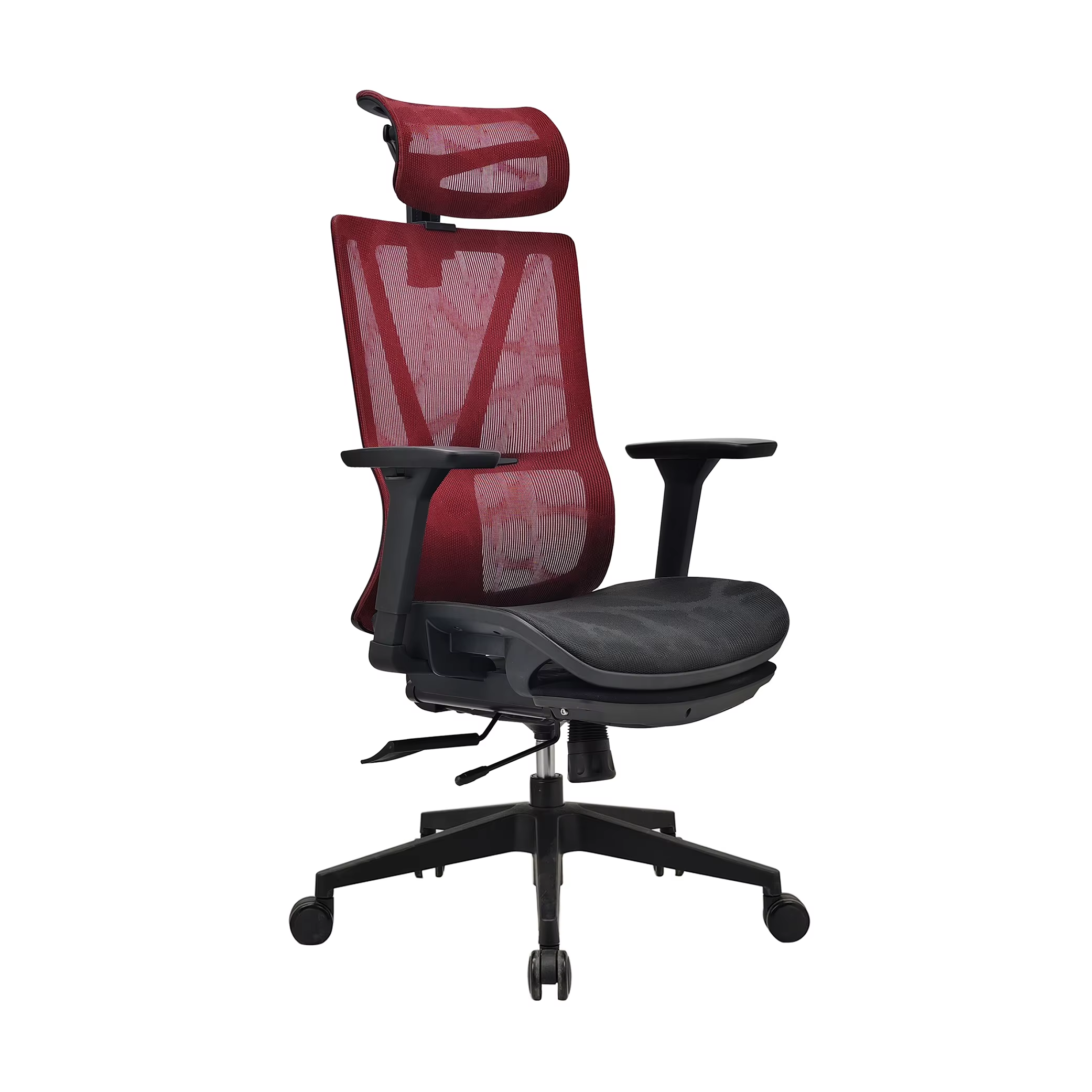
Bulk sourcing for a business project starts with a clear brief, not a purchase order. How many people will use the seating? What is the average daily sitting time? Are the spaces workstations, training rooms, or executive offices? These details change the chair choice. A team that skips this step ends up comparing quotes that are not equal. One supplier may price a basic task chair, another a mesh back model with adjustable lumbar support. The same budget can buy very different products. Write down must have features and nice to have features. Decide who will test samples. Set a realistic delivery window. A precise brief makes supplier comparison easier and lowers the risk of a costly mistake.
Comparing Chair Types for Different Work Environments
Not every office chair suits every room. A training chair may need to stack and move. A workstation chair may need deep adjustability for long shifts. A conference chair may need a clean look and easy cleaning. The table below compares common options for business projects.
| Chair Type | Best Use | Adjustment Level | Cleaning | Relative Cost |
|---|---|---|---|---|
| Mesh back | Workstations, warm offices | High | Moderate | Medium |
| Leather | Executive, client facing rooms | Medium | High | High |
| Fabric | General office | Medium | Low | Medium |
| Training chair | Classrooms, meeting rooms | Low | High | Low |
| Plastic | Temporary events | Low | High | Low |
A mix is often the right answer. Procurement does not need one model for the entire building. It needs the right model for each zone. That approach can reduce total cost while keeping employees comfortable. A mesh chair in a training room may wear out from constant moving. A heavy leather chair in a small meeting room may feel crowded.
Evaluating Manufacturing Capability and Component Quality
A low price means little if the chair fails in six months. Procurement should look at the parts that fail first. 1. Gas lifts. 2. Casters. 3. Armrest pads. 4. Foam density. 5. Base material. A factory that controls these components has better quality control. A trading company may not know which subcontractor made the gas lift. Ask for the brand or source of the gas lift and the base. Ask how foam density is checked. Ask about incoming material inspection. A supplier with its own production lines can usually answer these questions. BIFMA X5.1 covers durability and safety tests for general purpose office chairs. Test reports against this standard offer useful evidence. They are not a guarantee, but they show that the product has been tested against recognized criteria.
Managing Customization Without Delays
Customization can be a benefit or a headache. A company may want a specific color, logo, or fabric. Those requests affect lead time and minimum order quantity. A clear process avoids surprises. 1. Confirm the color reference. 2. Approve a physical sample. 3. Check logo placement and size. 4. Confirm packaging. 5. Set a production schedule. A physical sample is critical. Screen colors and printed labels can look different from the final product. A sample catches those problems before mass production. Customization also affects replacement parts. If a custom color is used, spare armrests and seat cushions should match. Procurement should ask about the availability of replacement components in the same finish.
Testing, Certification, and Risk Reduction
Certifications and test reports reduce guesswork. BIFMA X5.1 is a common benchmark for office seating in North America. EN 1335 is a European standard for office chairs. ISO 9001 shows a quality management system. The U.S. Occupational Safety and Health Administration notes that adjustable seating can reduce musculoskeletal strain for workers who sit for long periods. That matters for both comfort and insurance costs. Procurement should request test reports for the exact model under review. Ask about factory audits and incoming inspection records. A supplier that welcomes a factory visit is usually more confident in its process. A supplier that avoids questions is a warning sign. The goal is not to collect certificates. The goal is to reduce the chance of a failed delivery or a safety issue.
Building a Reliable Supply Chain with Boke
A corporate case from a fast growing technology company shows the value of a careful supplier. The company ordered six hundred office chairs for a new campus. The first supplier delivered late, and many gas lifts failed within weeks. The replacement process disrupted work for a month. The second order went to a manufacturer with its own production lines and a documented inspection process. Samples arrived before mass production. Gas lifts were tested before assembly. The delivery arrived on schedule, and the chairs held up under daily use. Boke, based in Nanhai, Foshan, has designed and manufactured ergonomic office chairs since 2013. The factory offers mesh chairs, leather chairs, training chairs, and custom options. Boke uses quality fabrics, foams, and metals, and supports business projects with customization and production planning. For procurement teams sourcing office chair orders in bulk, a partner with manufacturing depth and clear communication can make the difference between a smooth project and a costly delay.