 EN
EN

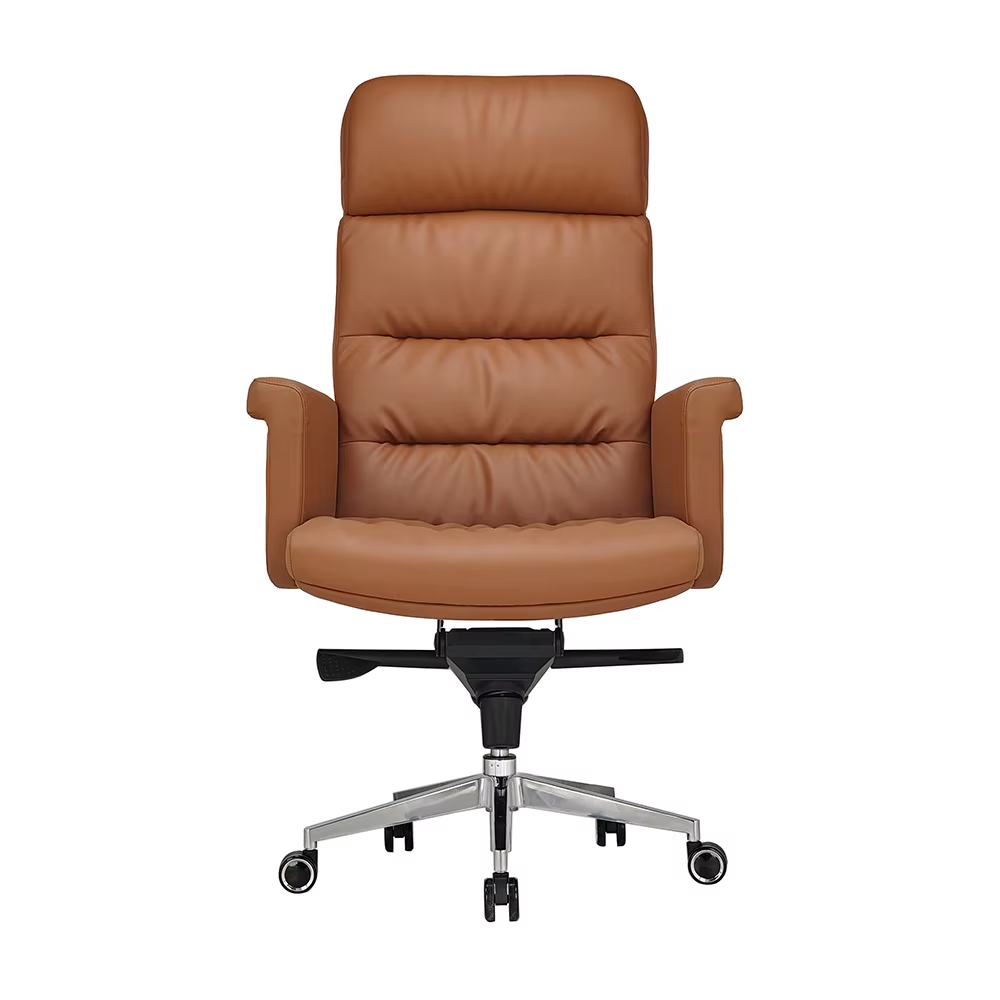
Ergonomic Foundations of Adjustable Seating
Customizable Lumbar and Posture Support
Good lumbar support matters a lot when it comes to keeping our spines healthy, especially in those ergonomic office chairs we all sit in these days. When done right, proper lumbar support keeps that natural curve in our lower backs from flattening out, which takes pressure off the spine and makes sitting upright feel less like a chore. Many modern ergonomic chairs now come with adjustable lumbar features so people can tweak them based on what feels best for their body type and how they sit day after day at their desks. Research from the Ergonomics journal shows folks who have access to this kind of customization report less discomfort overall and actually get more work done since they're not constantly distracted by nagging back issues. That's why most experts agree good lumbar support should be standard in any decent office chair if companies want to look after both employee comfort and long term spinal health.
Adaptive Armrests for Task-Specific Comfort
Adjustable armrests really help prevent those annoying shoulder strains while also making typing positions better. Most modern designs let people change both the height and angle depending on what they're doing at any given moment whether that means typing away at documents, reading through reports, or sketching out ideas. Studies from folks who study ergonomics point out how important good armrest design actually is. When done right, these adjustable features cut down on the tension building up in shoulders and necks throughout the day, which makes all tasks feel more comfortable especially when someone spends hours sitting at their desk. The ability to tweak armrest settings means office chairs can promote healthier sitting habits, cutting down on that soreness and fatigue that tends to creep in after long work sessions.
Dynamic Recline Mechanisms
The dynamic recline feature found in many ergonomic office chairs does more than just make sitting feel better. These adjustable mechanisms actually help keep blood flowing properly through the body while also cutting down on muscle fatigue throughout the day. When someone needs to change positions or lean back slightly, the chair moves with them naturally, which is great for people who spend long hours at their desks. Some models even let workers switch between different recline settings depending on what they're doing – maybe something upright for intense concentration at the computer, then a more relaxed angle when reading emails or taking short breaks between meetings. Research shows folks tend to report feeling more comfortable overall when using chairs with these kinds of adjustments, and less soreness means they stay productive longer. Getting the right balance between sitting posture and movement ultimately helps most people get more done without constantly fighting discomfort.
Health Advantages for Modern Professionals
Preventing Chronic Back and Neck Pain
Back and neck problems plague countless office workers these days, mostly because they sit around too long without moving much and slouch in their seats. The numbers tell a pretty grim story too - about six out of ten people who work at desks report some kind of muscle or joint ache every year. Good adjustable chairs can actually make a big difference here since they help keep the body properly aligned and take pressure off the spine. Health experts including folks at the World Health Organization have been pushing for years now that chairs should support the lower back area specifically while also giving decent neck support. When companies invest in quality seating solutions, workers tend to suffer less from constant aches and pains. Plus, there's usually a noticeable boost in how productive everyone becomes when they're not distracted by discomfort throughout the day.
Circulation Improvement Through Movement
Adjustable seating really helps people move around more, which gets the blood flowing better. Good circulation matters because it keeps energy levels up and stops health problems from sitting too long in one place. When chairs let workers change their position easily, they tend to shift and wiggle without even thinking about it. These small movements make all the difference for keeping blood moving properly through the body. Research shows bad circulation actually makes people less productive at work and affects how alert they feel during the day. That's why having ergonomically designed chairs matters so much in offices these days. Better blood flow from chairs that can be adjusted means workers stay focused longer and face fewer heart problems down the road caused by sitting all day every day.
Reducing Repetitive Strain Injuries
RSIs like carpal tunnel and tendinitis happen all the time because people sit in bad positions for too long. Ergonomic chairs can actually help prevent these problems since they come with adjustable parts that fit different body types and what someone does at their desk. These adjustments take pressure off the joints and muscles over time. According to people who study workplace ergonomics, chairs that let workers change settings reduce RSI risk simply by encouraging movement instead of staying stuck in one spot. When companies bring in proper ergonomic furniture, it helps fix health concerns while making employees more comfortable overall. Workers tend to be adaptable and productive too when they aren't constantly dealing with pain from poor posture.
Productivity Gains in Flexible Work Settings
Maintaining Focus in Hybrid Environments
Staying focused isn't easy in today's mixed work setups, but getting good seating matters a lot. When workers have decent chairs, they tend to stay on task no matter if they're at home or in the office building. Chairs that adjust to different spaces help people move between locations without losing their groove. Comfort really affects how well someone works, according to several industry reports. Research from interior design professionals shows that proper ergonomic seating makes a real difference in both how productive workers are and how long they can maintain concentration. For companies setting up these blended work arrangements, picking out suitable furniture isn't just about looks it actually supports better performance across all work environments.
Seamless Transition Between Work Modes
Having flexible seating arrangements really helps people switch back and forth between various types of work throughout the day, which ultimately makes them more productive. Standing desks revolutionized how we think about office spaces, and similarly, good adjustable chairs make all the difference when moving between different activities at work meetings, sitting at the desk, or collaborating with colleagues. When office furniture can quickly adjust to whatever task comes next, workers don't waste so much time fiddling with their setup before getting down to business. Take some of those fast-paced tech companies as examples they've noticed significant boosts in employee productivity since introducing these adaptable seating solutions. This kind of flexibility just seems to be becoming standard practice across contemporary workplaces these days.
Comfort-Driven Performance Enhancement
When people are comfortable at work, their performance tends to improve along with the quality of what they produce. Studies show employees who have good ergonomic setups generally feel better about their jobs, and this usually means they get more done while staying put longer too. Take seating for instance an adjustable chair makes all the difference for many folks sitting through long workdays. Companies that spend money on proper office furniture aren't just making things more comfortable for staff members. They're actually seeing real improvements in how much gets accomplished and overall team spirit. A look at data from Cornell University reveals something pretty compelling about this whole thing. Their research found workplaces that made ergonomic changes saw around a quarter boost in productivity levels, which really drives home why these kinds of investments matter so much when it comes to running efficient operations.