 EN
EN

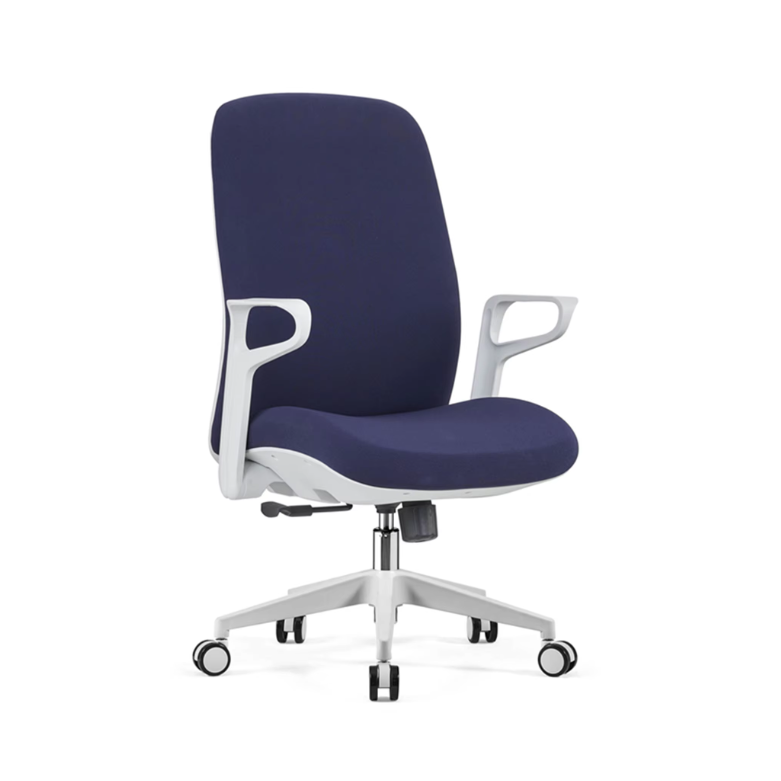
Standard Weekly Mesh Surface Dust Removal Routine
Most office staff only wipe chair frames and ignore mesh back and seat dust cleaning, leading to blocked pores and gradual fabric elasticity loss. Drawing on years of office furniture after-sales on-site maintenance work, tiny hair paper scraps and skin debris sink into mesh gaps after one week of daily eight hour sitting. The national textile fabric anti abrasion test specification states dry hard rags scratch mesh surface fiber layers and create invisible micro cracks. The scientific weekly cleaning method uses vacuum cleaner soft brush attachments to sweep mesh from top to bottom without adding water. For offices without vacuum equipment, soft feather dusters gently tap mesh outdoors to shake off accumulated waste. Complete dry dust removal before any wet wiping reduces residual dirt embedded into fabric threads and extends the original tight support performance of mesh materials.
Targeted Treatment Of Stubborn Stains On Mesh Fabric
Different stain types need matched mild cleaning solutions to avoid permanent mesh fabric damage, according to professional office furniture maintenance technicians. Sweat and light beverage marks only require fully wrung neutral detergent damp cloths for light patting, then use pure water cloth to wipe residual soap liquid and air dry naturally. Ink and coffee stubborn stains need diluted neutral cleaning agent to dot polluted areas instead of large area scrubbing, excessive rubbing loosens mesh weaving structure. Strong alkaline bleach and acidic toilet cleaner break fabric color fastness and cause uneven fading that cannot be repaired. All stain processing should finish within short time and avoid leaving chemical liquid soaking mesh for hours, which accelerates fiber aging and reduces chair support comfort.
Real Office Furniture Long Service Life Contrast Case
Two medium sized enterprise office zones deployed identical ergonomic mesh chairs five years ago, forming obvious service life contrast due to different maintenance habits. The first company arranged administrative staff to implement weekly mesh dust removal and quarterly hardware inspection following standardized steps. After five years of daily full shift use, mesh still maintains tight elasticity without broken wires or sagging recesses. The second office never carried out regular cleaning or component maintenance, and most mesh chairs appeared loose sagging backrests and frayed edge threads within two years, requiring bulk replacement that brought extra furniture procurement expenditure. Calculated comprehensive replacement and labor cost gap proves simple regular mesh chair maintenance cuts long term office asset expenditure significantly.
Full Hardware Component Inspection And Lubrication
Mesh chair service life depends not only on fabric care but also systematic inspection of all metal and plastic hardware parts every three months, referencing BIFMA office furniture durability test standards. Five star base connecting screws casters gas lift and plastic armrests all need routine checks. Staff use hexagonal screwdrivers to retighten loose base screws to prevent chair shaking during sitting. Hair wrapped around wheel axles block smooth sliding and need tweezers to clear before thin layer silicon lubricant application on rotation shafts. Gas lift telescopic parts keep light oil coating to avoid jamming during height adjustment. Neglected metal bases easily generate rust spots under humid office air, while unlubricated casters create harsh rolling noise and wear down floor surfaces.
Environmental Placement Rules To Slow Mesh Aging
Improper long term placement speeds mesh fabric fading brittleness and mold growth, supported by textile weather resistance aging test data. Continuous direct sunlight breaks mesh dye molecules and weakens fiber tensile strength, so mesh chairs need moving away from window glass light sources. Air conditioner direct blowing causes fabric dehydration hardening, while damp basement storage breeds black mold inside mesh gaps. After rainy season humid weather, move chairs to ventilated open areas for full natural air drying instead of hair dryer high temperature blowing. Balanced indoor temperature and humidity environment combined with weekly dust cleaning keep mesh original soft elastic texture for many years of continuous office use.
Standard Ergonomic Mesh Chair Manufacturing & After Sales Guidance
Enterprises and furniture distributors seeking durable easy maintenance mesh office chairs gain complete product and technical support from mature factory suppliers, comprehensive strengths owned by Boke Furniture. Boke holds thirteen years specialized office chair R&D and manufacturing experience, operating twenty thousand square meters standardized production workshops. All mesh ergonomic chairs pass BIFMA SGS ISO9001 quality certification, covering executive mesh chairs conference stackable mesh seats staff training mesh models full product line. The brand provides free professional furniture maintenance technical training for global cooperative agents, supporting flexible OEM ODM custom logo fabric size packaging solutions. Complete one stop production and after sales system supplies stable ergonomic mesh chairs with clear standardized cleaning guidance for corporate procurement clients worldwide.
Table of Contents
- Standard Weekly Mesh Surface Dust Removal Routine
- Targeted Treatment Of Stubborn Stains On Mesh Fabric
- Real Office Furniture Long Service Life Contrast Case
- Full Hardware Component Inspection And Lubrication
- Environmental Placement Rules To Slow Mesh Aging
- Standard Ergonomic Mesh Chair Manufacturing & After Sales Guidance