 EN
EN

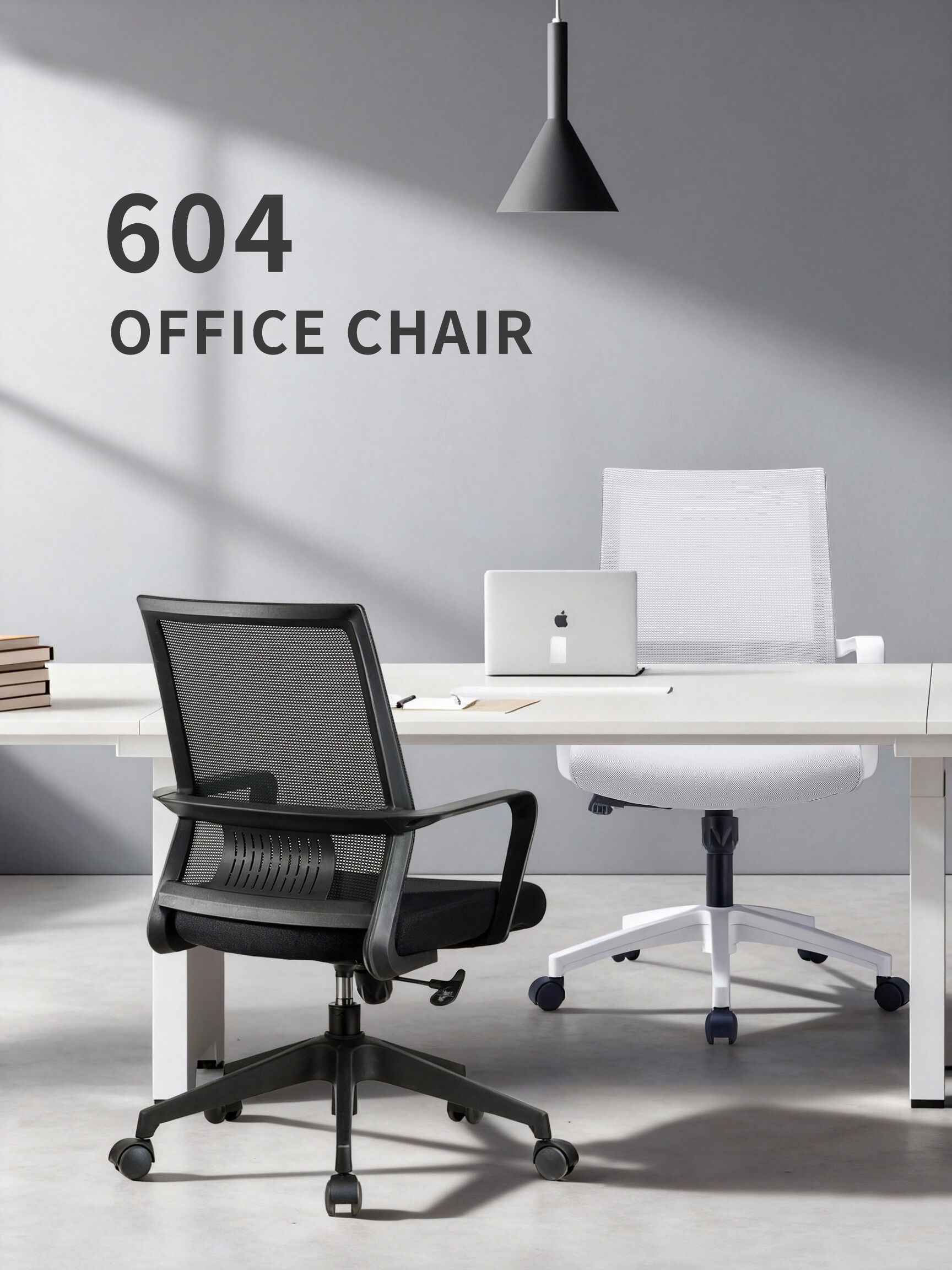
Essential Ergonomic Features of a Study Chair for Students
Selecting ergonomic study chairs for schools requires prioritizing features that support young learners’ health and focus during long academic hours. Research indicates that improper seating contributes to back pain in 54% of students (Ergonomics Society 2023), making these design elements non-negotiable for bulk educational purchases.
Adjustable Seat Height and Depth for Age-Varied Student Populations
Adjustable height and depth features make all the difference when dealing with those unpredictable growth spurts kids experience between third and twelfth grade. Seats that can go from 14 to 20 inches high work great with depth adjustments ranging around 15 to 17 inches. This setup keeps little feet planted firmly on the ground and maintains that important 90 degree knee bend which is really good for blood flow and back health no matter if someone stands at just over four feet or nearly six feet tall. The ability to reposition these seats dynamically means classrooms don't have to stock separate chairs for each grade level anymore. Schools save money this way while still making sure growing bodies stay properly aligned during their development years.
Lumbar Support and Recline Mechanics to Promote Healthy Posture
Kids sitting all day in regular classroom chairs can really mess up their growing spines when they're at school for six hours or more. Good ergonomic chairs actually work differently. They have those curved back supports that keep the spine in its natural S shape, adjustable tension settings that let kids shift positions slightly without falling over, and some models even allow locking into a slight recline between 5 and 15 degrees. This kind of active support makes a big difference. According to recent studies published in the Journal of Pediatric Orthopedics last year, students using these chairs slump about 72 percent less than those stuck in standard seating arrangements. Better posture means better focus throughout the day and healthier spinal development overall for young people.
Armrest Design and Breathable Materials for Comfort During Long Study Sessions
Armrests that pivot and fully retract help keep shoulders from rising up and make it easier to reach across the desk when needed. This is really important for tasks like writing notes, typing on keyboards, or working together with classmates. When paired with those waterfall-shaped seat edges and mesh back designs that let air circulate, people experience less numbness in their legs and don't get as hot sitting there for hours. According to some research published last year by Education Ergonomics, students reported about two thirds fewer complaints about being uncomfortable during long study periods. Less discomfort means they stay focused longer without constantly shifting around or getting distracted.
Durability and Build Quality for High-Use School Environments
Frame Materials: Steel vs. Reinforced Polypropylene for Long-Term Value
What kind of frame we choose really affects how long something lasts, whether it's safe to use, and what we end up paying overall. Steel frames that have been powder-coated can hold around 300 pounds without bending or twisting, even after being used every day for fifteen years straight. That makes them great for busy schoolrooms where kids are always moving around. But there is a downside - these steel frames weigh about 40% more than other options on the market. Then there's this reinforced polypropylene stuff which is lighter and doesn't get damaged by water, plus it costs less when buying new. However, if left in places that are warm, damp, or constantly cleaned with strong disinfectants, these plastic frames tend to break down faster, usually lasting only 5 to 7 years before needing replacement. Schools and businesses trying to find the sweet spot between spending money now versus saving later often find that investing extra in steel pays off in the long run. While paying 25% more upfront might seem steep, most facilities report saving about 35% less money over time per seat compared to cheaper alternatives.
Upholstery That Lasts: Antimicrobial Fabrics and Scratch-Resistant Finishes
Upholstery in school furniture needs to handle constant microbial exposure plus all the physical wear and tear kids bring. When manufacturers infuse antimicrobial agents into polyurethane or vinyl materials, these surfaces stop about 99% of bacteria and mold growth. That makes a big difference in classrooms where flu season hits hard. For scratches, companies are now using nano-coatings that keep fabrics looking good even after thousands of contacts from backpacks slung over seats and pens dragged across surfaces. Many schools have noticed their maintenance budgets drop by around 30% when they choose furniture with both these protections because the chairs hold up much better during regular cleaning routines. The breathable mesh options available today also help extend lifespan since they let air circulate, preventing heat buildup that damages fabric over time. Plus, students tend to move around more when it gets warm, so this ventilation reduces extra wear caused by their temperature-related fidgeting.
Inclusive Design for a Diverse Student Body
FAQ
Why are ergonomic chairs important for students?
Ergonomic chairs are important for students because they support healthy posture, reduce discomfort, and improve focus, which can positively impact academic performance and overall well-being.
What features should an ergonomic study chair have?
An ergonomic study chair should have adjustable seat height and depth, lumbar support, recline mechanics, pivoting armrests, and be made of breathable materials for added comfort.
What are the benefits of steel frames over reinforced polypropylene frames?
Steel frames are more durable and can withstand daily use for longer periods, usually lasting over 15 years. Although heavier, they provide better long-term value. Reinforced polypropylene frames are lighter and cheaper but may degrade faster, lasting only 5 to 7 years.
How do antimicrobial fabrics and scratch-resistant finishes improve upholstery?
Antimicrobial fabrics reduce the growth of bacteria and mold, making them ideal for school environments, while scratch-resistant finishes prevent damage from daily use, extending the lifespan and reducing maintenance costs.