 EN
EN

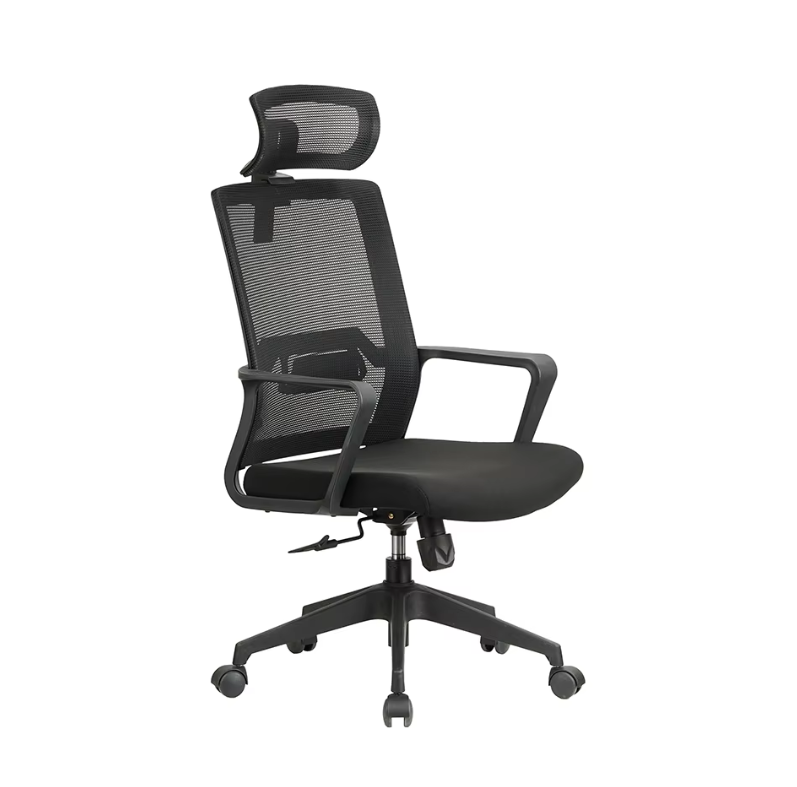
Why Mesh Density Matters More Than Most Buyers Expect
Mesh density isn't just a spec on a product page. It shapes how the chair feels during a full workday, how well it supports the lower back, and how long the fabric holds up under daily use. A chair can look sleek in photos, but the actual experience depends heavily on how tight or open that mesh weave is.
Dense mesh uses more material per square inch, which creates a firmer, more supportive surface. Open mesh allows more air to pass through, which improves breathability but can sacrifice some support if the weave gets too loose. The best office chairs find a balance between those two goals.
For manufacturers, mesh density also affects durability. Tighter weaves tend to resist sagging better over time, especially when paired with a proper lumbar frame. Loose weaves may feel airy at first but often lose tension after months of daily sitting.
How Mesh Density Affects Comfort During Long Sitting Sessions
Comfort in a mesh office chair comes from how the fabric distributes pressure. A mesh that's too soft lets the body sink unevenly, which creates pressure points under the thighs and lower back. A mesh that's too stiff feels hard and can reduce blood flow during long sitting periods.
Mid to high density mesh typically provides the best pressure distribution for office use. It supports the body without creating hot spots, and it keeps the spine in a more neutral position. This is especially important for people who sit six to eight hours a day.
The chair's frame design also plays a role. A well-tensioned mesh stretched across a curved backrest delivers better support than the same mesh stretched flat. Buyers often focus on the mesh itself, but the frame and tensioning system matter just as much.
The Tradeoff Between Airflow and Support
Breathability is the main reason people choose mesh chairs over foam padded models. Open mesh allows heat and moisture to escape, which keeps the user cooler during warm weather or long meetings. But more airflow usually means less surface support, and that tradeoff creates real design challenges.
A very open mesh with large holes may feel breezy but can also feel like sitting on a net. The body sinks slightly, and the fabric doesn't rebound as quickly. Over time, that can lead to fatigue and poor posture.
The table below compares how different mesh densities affect key user experience factors.
| Mesh Density | Breathability | Support Level | Durability | Best Use Case |
|---|---|---|---|---|
| Low density | Excellent | Lower | Fair | Short duration seating |
| Medium density | Good | Good | Good | General office work |
| High density | Moderate | Excellent | Excellent | Long duration task seating |
| Mixed density | Good | Variable | Good | Ergonomic chairs with zoned support |
How Frame Design Changes the Mesh Density Decision
Mesh density doesn't work alone. The chair frame determines how the mesh is stretched and how much give it has. A high density mesh on a rigid frame can feel too hard, while the same mesh on a flexible frame can feel supportive and comfortable.
Many premium ergonomic chairs use zoned mesh, where different areas of the backrest have different densities. The lumbar area gets a firmer, denser mesh for support, while the upper back gets a slightly more open mesh for airflow. That combination delivers support where it's needed and breathability where it's wanted.
When evaluating a mesh chair, the smart approach is to look at how the mesh and frame work together, not just the density number. A well-designed chair with medium density mesh can outperform a poorly designed chair with high density mesh.
Real World Experience with Different Mesh Densities
A common pattern in office furniture showrooms is that people choose chairs based on how they look, then complain about comfort after a month. The chair that felt cool and airy in the showroom turns out to lack lower back support during long work sessions.
In one comparison, a purchasing team tested three mesh chairs with low, medium, and high density backs. The low density chair got positive feedback for breathability but negative comments about support after only two weeks. The medium density chair balanced both factors well. The high density chair felt firmer and received strong feedback from users with existing back pain, but some found it warmer during summer afternoons.
That experience matches what ergonomic specialists often say. Mesh density should match the primary use case. For all day task seating, medium to high density works best. For conference rooms or short term use, lower density is acceptable.
What Ergonomists and Industry Sources Suggest
Ergonomic guidelines from workplace health organizations consistently emphasize that seating should support the natural curve of the spine without creating pressure points. Mesh chairs can meet that standard when the backrest provides adequate lumbar support and the fabric maintains even tension.
Industry publications focused on office furniture often note that mesh density is one of several factors affecting long term comfort. Frame geometry, lumbar adjustment, seat depth, and recline tension all interact with the mesh. A chair that excels in one area but falls short in others won't deliver the same experience as a balanced design.
Buyers should also pay attention to how the mesh is attached. Stitched mesh can wear at the edges over time, while molded or reinforced attachment points tend to last longer. These details aren't always visible in product photos, but they affect durability significantly.
Choosing the Right Density for Your Specific Needs
The best mesh density depends on how the chair will be used. For a home office where someone sits most of the day, medium to high density mesh with a strong lumbar frame is usually the right choice. The slightly reduced airflow is a fair trade for better support.
For a hot climate or a chair that will be used for short periods, a more open mesh may be acceptable. The key is matching the chair to the actual work pattern, not just the visual style.
Seat mesh and back mesh also serve different purposes. The seat carries more weight and benefits from a denser, more supportive weave. The backrest can be slightly more open to promote airflow without sacrificing spinal support. Many quality chairs use different densities for the seat and back for exactly this reason.
How Boke Seating Approaches Mesh Selection
Mesh density is only one part of a comfortable office chair, but it's a part that can't be ignored. The difference between a chair that supports all day work and one that becomes uncomfortable by mid afternoon often comes down to how the mesh is specified and how it's integrated with the frame.
Boke Seating focuses on office seating solutions and understands how mesh performance affects user satisfaction. The company pays attention to material selection, frame design, and ergonomic details that help chairs perform consistently over time. That manufacturing experience shows up in how mesh density is matched to each chair model and intended use case.
Table of Contents
- Why Mesh Density Matters More Than Most Buyers Expect
- How Mesh Density Affects Comfort During Long Sitting Sessions
- The Tradeoff Between Airflow and Support
- How Frame Design Changes the Mesh Density Decision
- Real World Experience with Different Mesh Densities
- What Ergonomists and Industry Sources Suggest
- Choosing the Right Density for Your Specific Needs
- How Boke Seating Approaches Mesh Selection