 EN

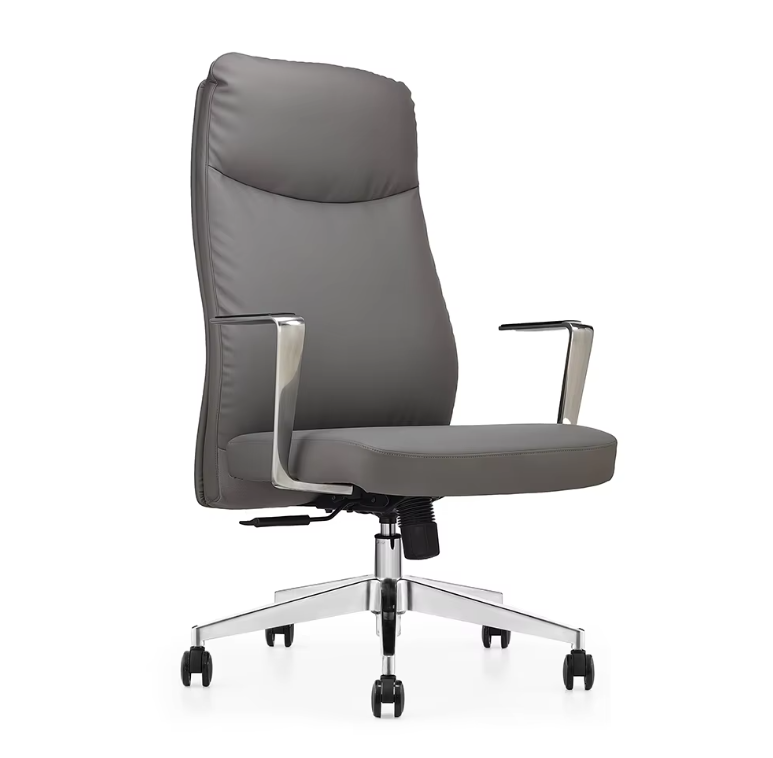
What luxury seating signals before a word is spoken
In high-end enterprises, the reception area, boardroom, and executive floor are not just functional spaces. They are stages. A visitor forms an impression within seconds. The phrase office chairs luxury may sound like a marketing label, but in these settings it describes a set of expectations. Materials, stitching, frame finish, and quiet movement all communicate attention to detail. A wobbly chair in a polished lobby sends a mixed message. Luxury seating is not about gold trim. It is about visual and physical coherence with the rest of the environment. That coherence supports brand positioning during client meetings, recruiting visits, and partner reviews. A chair is a small object, but it is touched, sat in, and remembered.
The comfort and retention logic behind premium seating
High-end firms compete for skilled people. Knowledge workers spend long hours at desks. Discomfort builds quietly. A chair that lacks lumbar depth or seat depth adjustment pushes users into constant repositioning. Premium seating usually offers wider adjustment ranges, smoother tilt, and better pressure distribution. OSHA computer workstation guidance recommends adjustable height, lumbar support, and armrests. ANSI/BIFMA X5.1 covers durability testing for office seating. These references do not promise productivity gains. They describe conditions that reduce physical strain. For companies trying to retain talent, that reduction matters. Candidates notice the chair they sit in during interviews. Employees notice it every day. A luxury chair is not a substitute for good management, but it removes a daily source of friction that many offices tolerate for years.
Materials and craftsmanship that survive executive use
Luxury chairs often use higher density foam, premium upholstery, reinforced bases, and precision gas lifts. Those choices affect how the chair feels in year one and year five. A cheap chair may look similar on delivery day. The difference appears later in the tilt mechanism, the armrest pads, and the seat foam. Replacement parts matter too. A chair with accessible casters, armrest pads, and gas lifts is easier to maintain. That reduces long term waste and keeps the seating fleet consistent across floors. Buyers who only compare the invoice price miss this point. The relevant number is not the purchase price alone. It is the cost of keeping the chair usable, comfortable, and visually appropriate over time.
| Feature | Entry office chair | Mid-range office chair | Luxury office chair |
|---|---|---|---|
| Upholstery | Basic fabric | Better fabric or mesh | Premium leather, mesh, or woven textile |
| Foam | Lower density | Medium density | Higher density, shape retention |
| Adjustment | Height only | Lumbar, seat depth, arms, tilt | Wide range, smooth controls |
| Base and casters | Standard | Reinforced | Premium, floor-friendly options |
| Maintenance | Limited parts | Common parts available | Accessible parts, refinishing options |
| Best fit | Short sessions | Most office desks | Executive, client-facing, intensive use |
Where luxury seating earns its place and where it does not
Not every desk needs a luxury chair. Open office areas, temporary workstations, and training rooms may be better served by durable mid-range seating. Luxury chairs make the most sense in executive offices, boardrooms, client reception, and roles with long sitting hours. Limitations should be stated. Premium upholstery can require specific cleaning. Heavier chairs may need floor protection. High adjustment ranges are wasted if users never learn to set them up. A luxury chair is not medical treatment, and it cannot fix a poorly designed workstation. Buying luxury seating for image alone often leads to regret. Buying it where it supports people and brand together usually works. The honest question is not whether the chair is expensive. The honest question is whether the setting justifies it.
A headquarters fit-out that tested the luxury assumption
A financial services firm in a humid southern city outfitted a new headquarters with luxury seating on the executive floor and in client meeting rooms. The first month brought positive comments from visitors. By month six, facility teams noticed wear on light colored armrest pads in rooms with direct sun. Cleaning crews had used a harsh solvent on the upholstery, causing dryness near seams. The firm adjusted cleaning protocols, added window film, and rotated the most used meeting room chairs. Shared workstations kept mid-range chairs with replaceable parts. After two years, the luxury chairs needed fewer structural repairs than the entry chairs they replaced, but they were not maintenance free. The lesson was practical. Luxury seating performs best when matched to use, cleaning, and sun exposure. Image alone does not protect a chair from daily reality.
Boke's role in luxury seating supply
Luxury seating only delivers its value when the supply chain holds tolerances and parts remain available. Boke focuses on office seating manufacturing, component consistency, and supply chain follow through. Stable production across batches helps buyers avoid the surprise of a showroom sample that differs from the delivered order. Accessible components and standard fasteners make long term maintenance easier. For high-end enterprises equipping executive floors and client spaces, that reliability matters as much as the initial design. Boke supports that side of seating supply, from production planning to quality checks, so the chair remains refined and supportive well beyond delivery day.
Table of Contents
- What luxury seating signals before a word is spoken
- The comfort and retention logic behind premium seating
- Materials and craftsmanship that survive executive use
- Where luxury seating earns its place and where it does not
- A headquarters fit-out that tested the luxury assumption
- Boke's role in luxury seating supply