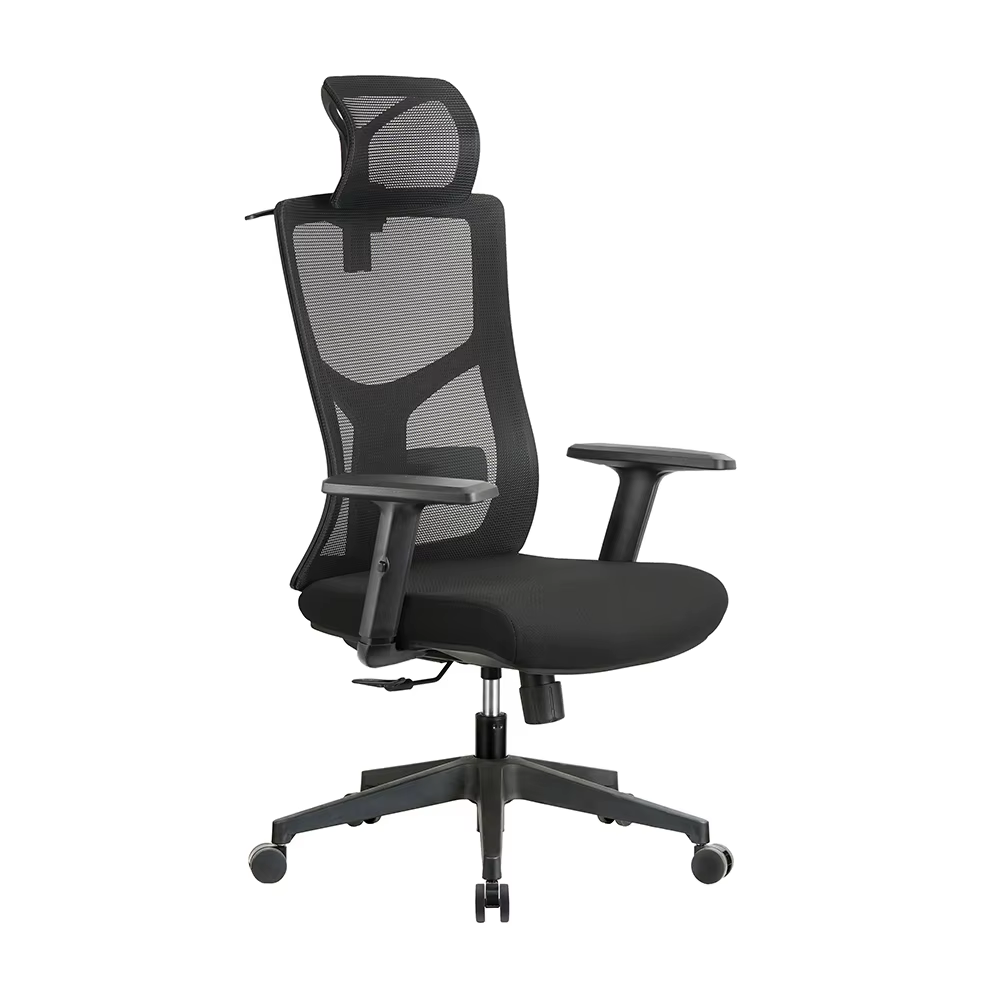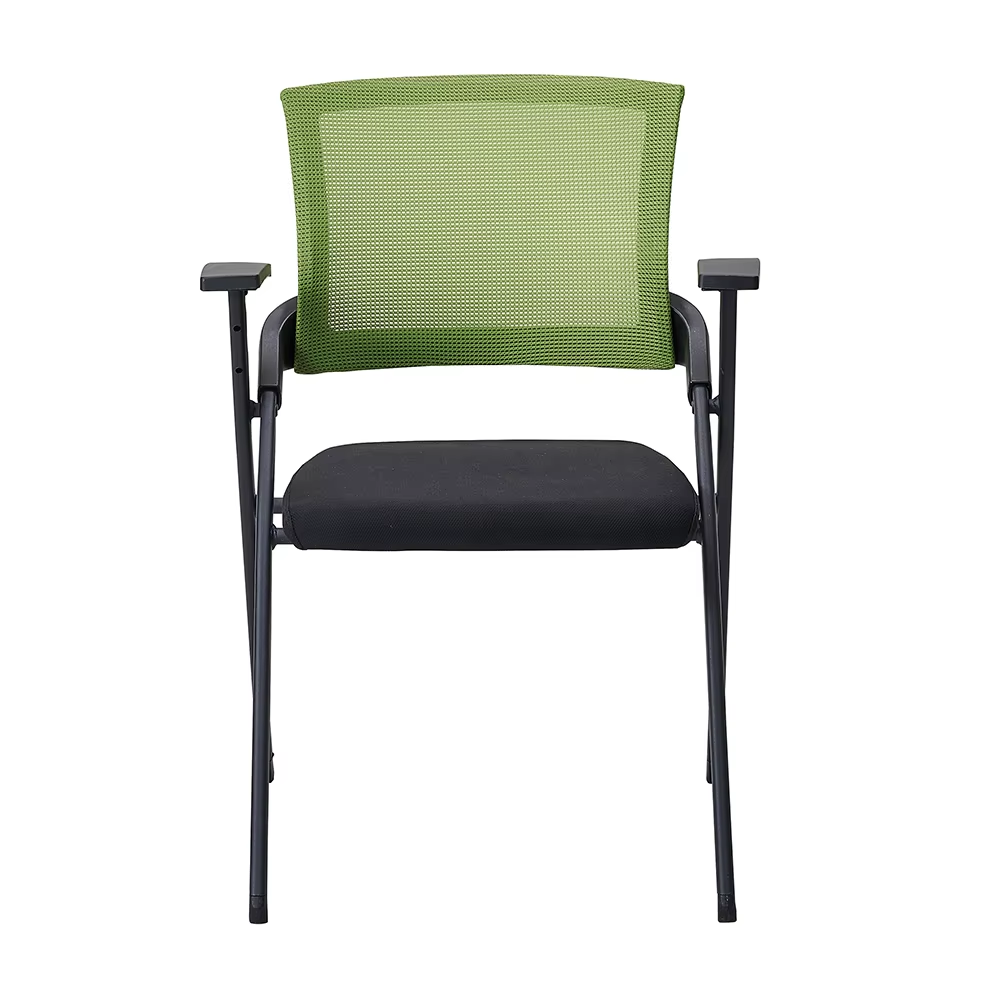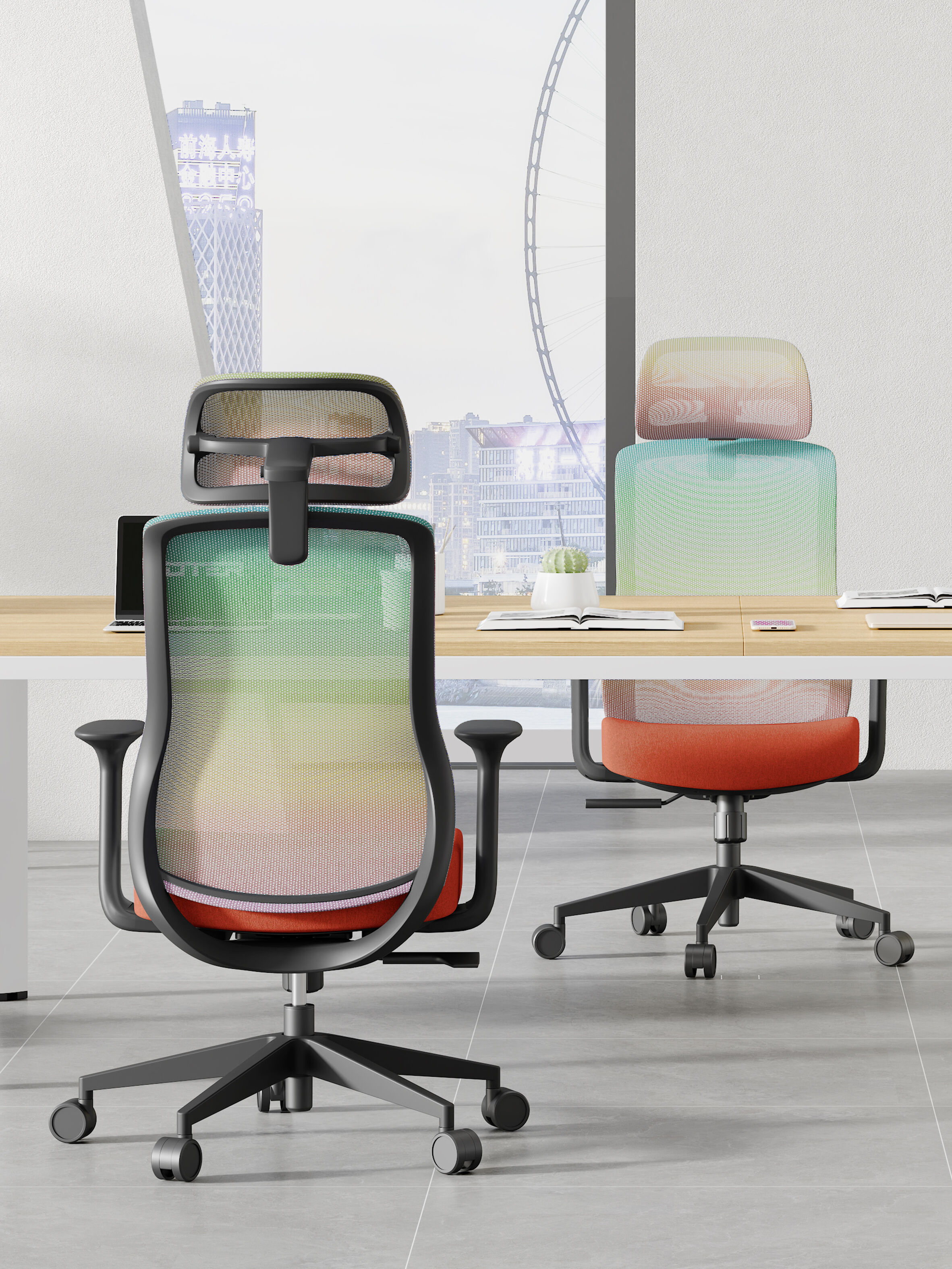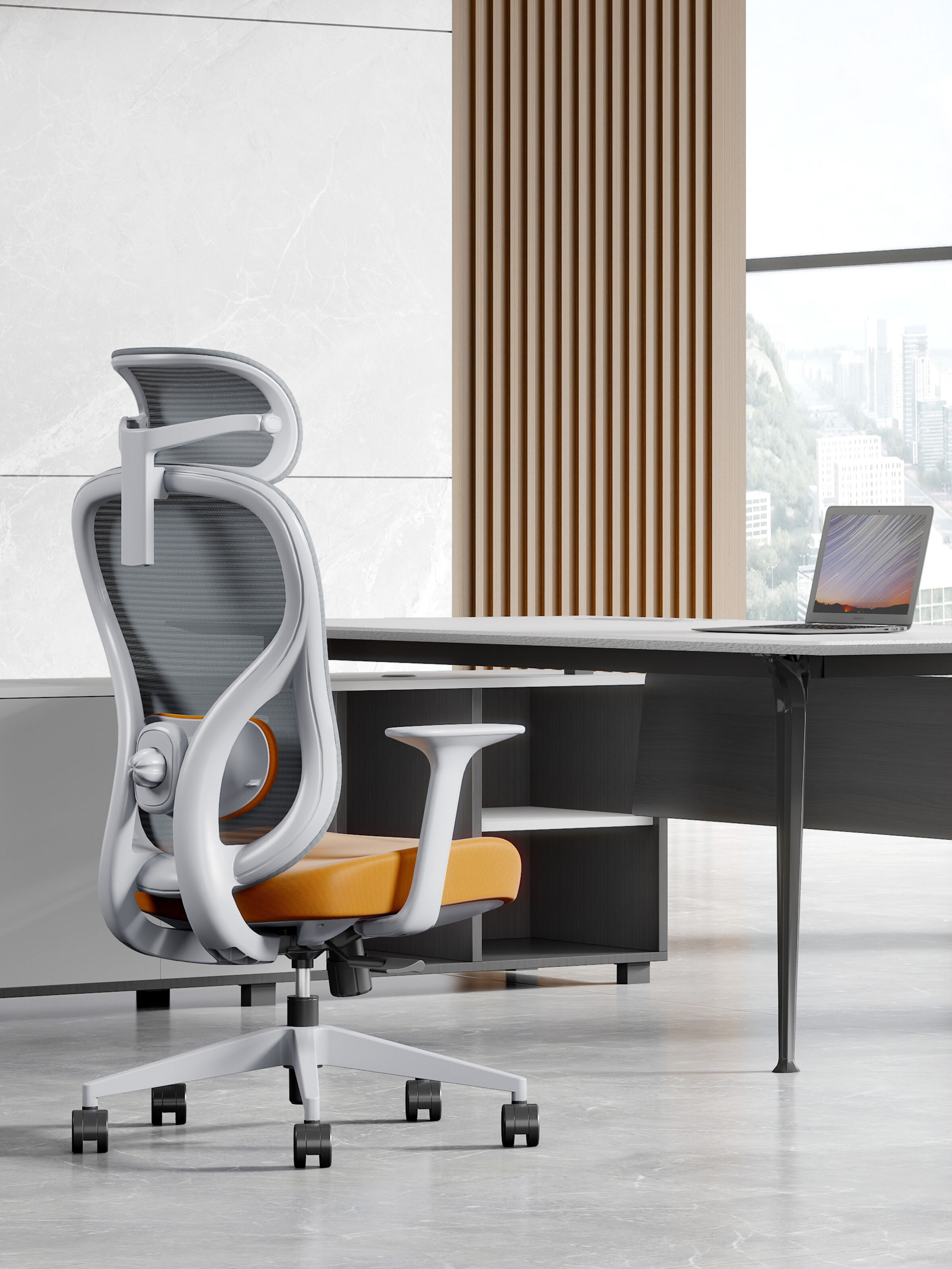
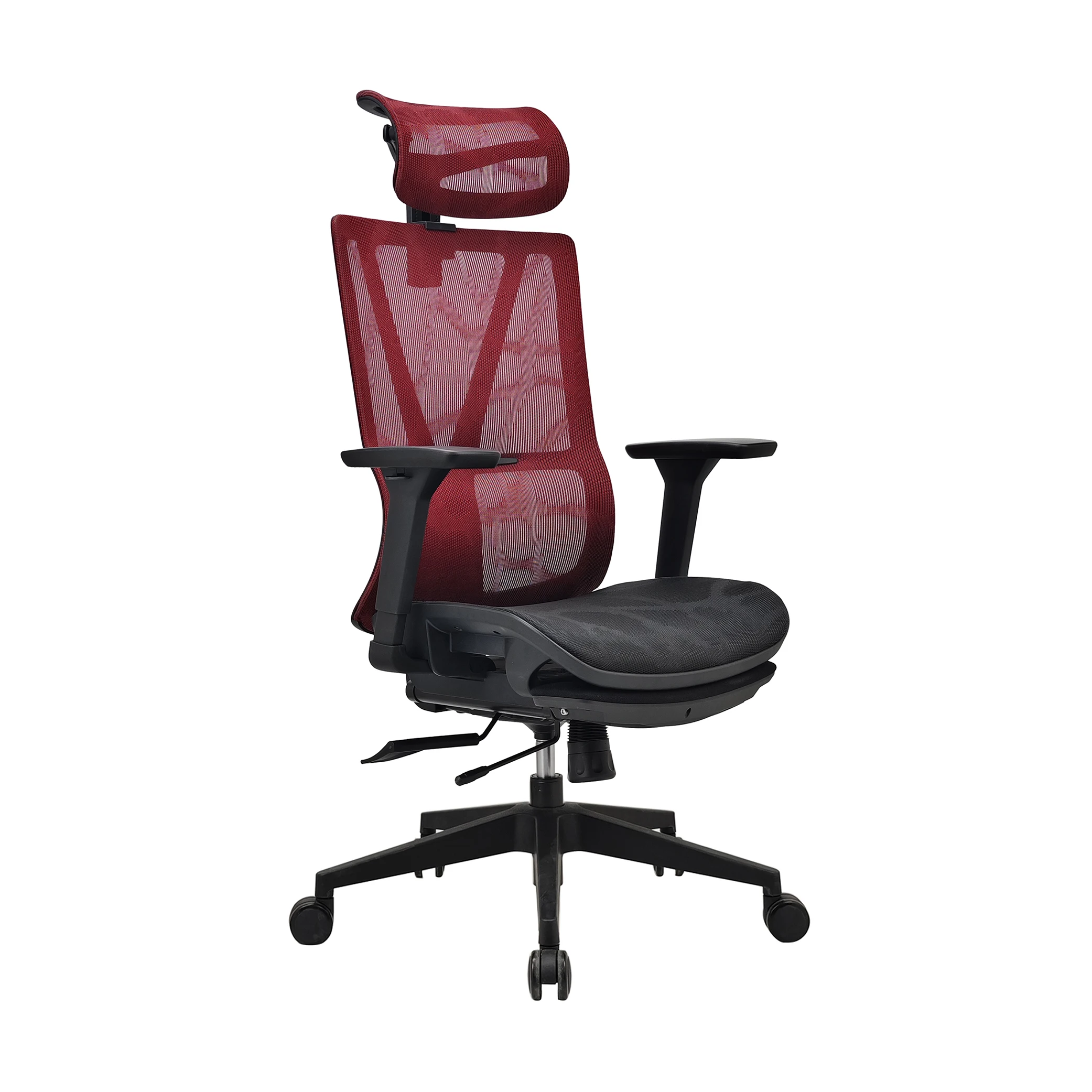
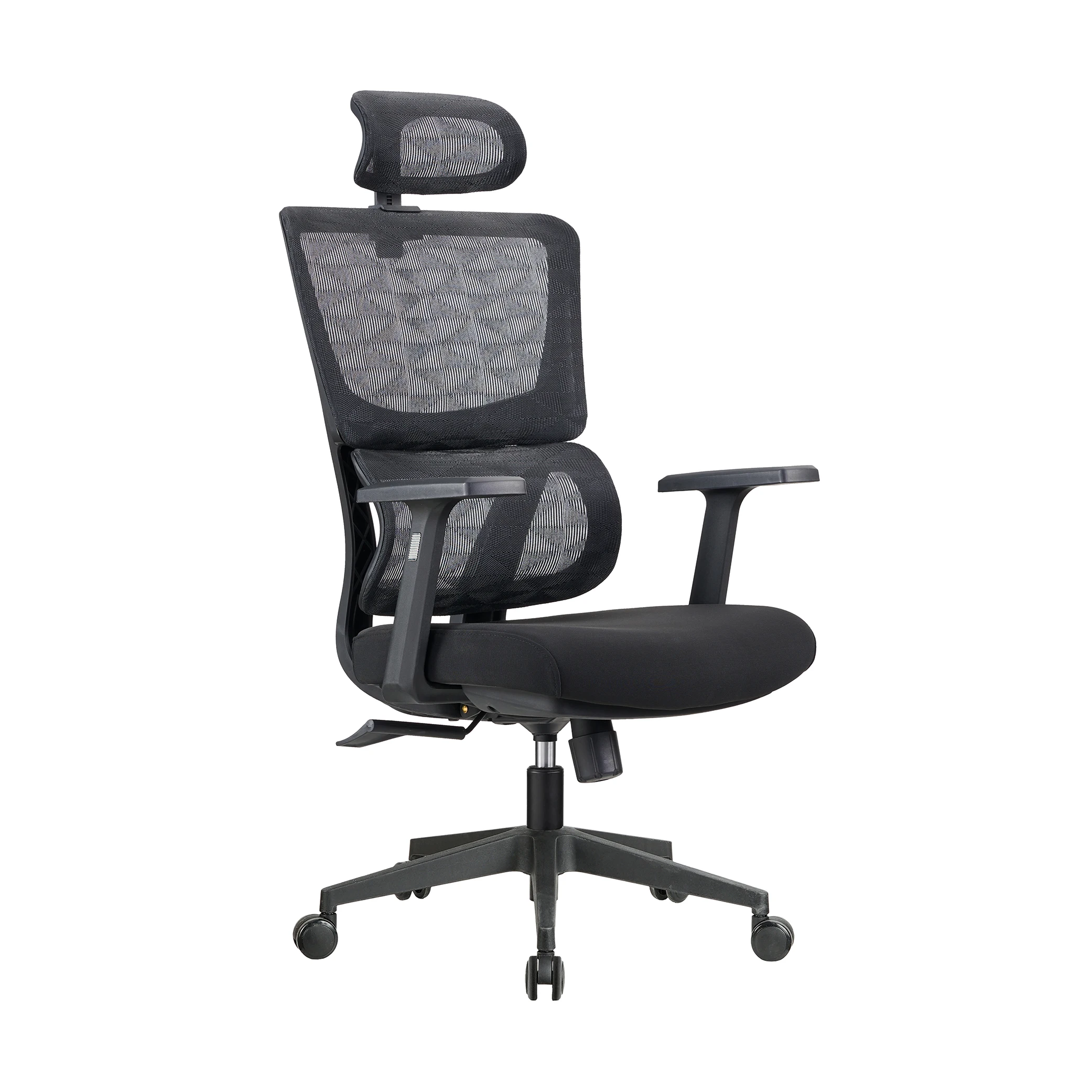
Office chair ergonomic mesh design represents a category where form and function converge through the strategic application of tension-based materials and anatomical engineering. In our approach, mesh is utilized not simply as a covering but as an active component of the support system. The mesh backrest is tensioned across a curved aluminum or composite frame, creating a suspended surface that naturally conforms to the user’s spine while providing progressive resistance—softer during initial contact and firmer as the user leans back, simulating the responsiveness of a well-tuned suspension system. This design eliminates the need for bulky foam padding on the back, allowing for a slimmer profile that suits contemporary, minimalist office aesthetics. Critical ergonomic features are integrated into the mesh design, such as a separate, height-adjustable lumbar mechanism that can be moved vertically to match the user’s lumbar curve, and in some models, a dynamic lumbar support that automatically adjusts tension in response to movement. The seat is typically constructed with a molded foam cushion covered in breathable fabric, though advanced models may feature a mesh seat pan that provides full airflow. A key application scenario is in architectural firms, creative agencies, and technology companies where the visual language of the workspace emphasizes transparency, lightness, and innovation. In these environments, a mesh ergonomic chair serves both as a functional tool for long-duration work and as a design element that complements open floor plans and natural lighting. Our mesh design chairs also offer extensive adjustability, including 4D armrests, seat depth adjustment, and synchronized tilt mechanisms with adjustable tension. To discuss how our office chair ergonomic mesh design models can be integrated into your workspace, including customization of frame colors and mesh textures, we encourage you to contact us for detailed product information.
Copyright © 2024 by Foshan Boke Furniture Co., Ltd. — Privacy Policy