 EN
EN

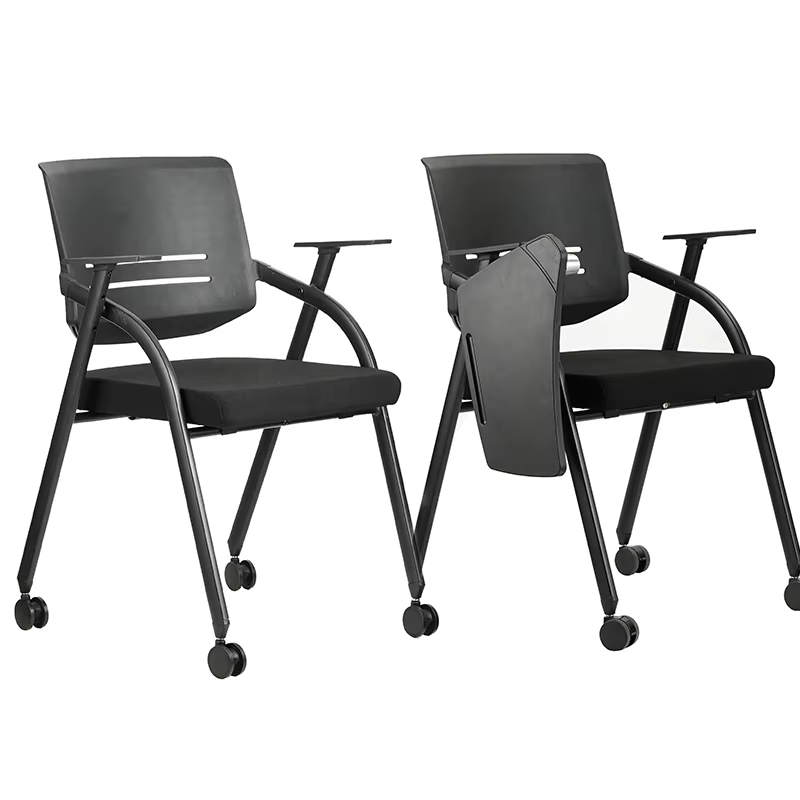
Ergonomic Design: Core Features of a Suitable Training Chair
The importance of ergonomic design in prolonged corporate learning sessions
Around 78 percent of companies have employees spending at least three hours each day in training sessions these days, which means good quality seating has become really important for keeping people attentive throughout those long sessions. According to studies referenced by OSHA back in 2023, folks who sit on well-designed training chairs report feeling about 62% less tired after full day workshops. These special chairs aren't your regular office models though. They're specifically made for classroom settings where people need to stay seated upright for extended periods. Manufacturers incorporate features like better weight balancing across different parts of the chair and tiny adjustments that let users tweak their position slightly without getting completely out of their seat.
Lumbar support and spinal alignment to reduce fatigue during training
A 2024 Ergonomic Benchmark Report revealed 43% of employees reported mid-session back stiffness in non-ergonomic training chairs. High-performance models feature adaptive lumbar systems that automatically adjust to spinal curves during posture shifts, preventing the 12°–17° forward lean common in traditional chairs—posture that strains intervertebral discs over 90-minute instructional blocks.
Adjustable seat height and depth for diverse employee body types
Effective training chairs accommodate 95% of adult body types through:
- Seat height ranges: 16"–21" (vs. 14"–19" in basic chairs)
- Depth adjustment: 15"–19" pan length with 2" incremental locking
- Weight capacity: 350 lb+ ratings for industrial-grade mechanisms
These specs align with 2019 Anthropometric Data Consortium standards, which found 30% of corporate trainees exceed conventional furniture size limits.
Balancing softness and support: Seat cushion and backrest materials
Leading manufacturers use hybrid foam-mesh designs that reduce peak pressure points by 41% compared to traditional polyurethane padding. Breathable elastomer mesh backs maintain 72°F surface temperatures during 4-hour sessions, while high-resilience seat foam prevents bottoming out for users over 250 lbs.
Mobility and Flexibility: Enhancing Interaction in Corporate Classrooms
Swivel bases and casters for seamless movement in dynamic training setups
Training chairs these days come equipped with those 360 degree swivel bases and double wheel casters that let people move around without much hassle during group work sessions. The ability to roll from one spot to another really matters when switching back and forth between solo assignments and team exercises. A recent study looking at office ergonomics found that folks sitting in these movable chairs needed about 28 percent less physical effort just to reach over to adjacent desks. Rolling smoothly past whiteboards or computer stations cuts down on all that annoying chair dragging noise too, which helps everyone stay focused on what they need to learn instead of getting distracted by clunky furniture movements.
Encouraging engagement through flexible seating during long workshops
Forward-thinking organizations prioritize training chairs that adapt to multiple postures throughout 8-hour sessions. Lightweight frames with 4" seat height adjustability support standing discussions before transitioning to seated deep-work phases. Instructors report 22% higher engagement scores in workshops where trainees can rearrange seating independently, based on 2024 corporate learning analytics from 127 Fortune 1000 companies.
Case study: Improved collaboration after introducing mobile training chairs in a Fortune 500 training center
A financial services leader achieved measurable results after replacing static seating with mobile training chairs in their flagship development center. Post-implementation metrics showed:
- 35% faster team formation during crisis simulation exercises
- 19% reduction in reported muscle fatigue during compliance training
- 41% increase in spontaneous peer consultations
Rolling bases and tool-free adjustments allowed staff to intuitively form optimal learning clusters, demonstrating how strategic chair selection directly enhances knowledge retention and teamwork.
Durability and Long-Term Value of Training Chairs in High-Use Environments
Materials and Construction Standards That Ensure Long-Lasting Training Chairs
Corporate training rooms that see constant activity need chairs made from tough stuff like reinforced steel frames, special polymer mixes, and scratch-resistant polypropylene surfaces. Regular office chairs are only good for about eight hours a day, but top quality training chairs can handle twelve or more hours straight thanks to their double welded joints, heavy duty 18 gauge steel legs, and those mesh backs that have been put through over 250 thousand compression tests according to Steelcase's Workplace Survey last year. Some recent research on furniture toughness shows these kinds of chairs actually last around 40 percent longer when they're used in places where there are at least fifty training sessions happening every week. That kind of longevity makes all the difference for companies running frequent workshops and seminars.
Comparative Analysis: Standard Office Chairs vs. Dedicated Training Chairs
| Feature | Standard Office Chair | Training Chair |
|---|---|---|
| Average weight capacity | 250 lbs | 350 lbs |
| Frame material | Thin-gauge steel | Reinforced tubular steel |
| Seat cushion density | 1.8 lb/ft³ foam | 2.5 lb/ft³ high-resilience |
| Warranty period | 1–3 years | 5–10 years |
Training chairs outperform conventional models with 2x thicker padding in high-wear zones and 360° reinforced casters that survive 8x more rotations before replacement.
Total Cost of Ownership: Why Durable Training Chairs Offer Better ROI
Premium training chairs might set companies back around 20 to 30 percent initially, but businesses actually end up spending about 23 percent less on replacements after five years, as shown by recent facility management research from 2024. The reason? These chairs come with modular designs that let maintenance staff swap out just specific parts when they break down instead of having to replace whole chairs all at once. Take armrests or those gas lift mechanisms for example. Facilities that invest in chairs backed by 10 year warranties are seeing real savings too. According to findings from the Ponemon Institute last year, these places save approximately $740 each year per chair versus constantly buying new ones at $200 apiece every 18 months or so. That adds up pretty quickly across large organizations.
Versatility Across Learning Environments and Space Configurations
Adapting Training Chairs for Hybrid Classrooms, Breakout Sessions, and Lectures
Modern training chairs serve both physical and virtual learning needs. As 2023 hybrid teaching environments research shows, 72% of corporate educators prioritize furniture that adapts to lecture-style setups, small-group collaborations, and video-linked sessions. Swivel bases and slim profiles allow quick reconfiguration without disrupting sightlines or tech integrations.
Optimizing Room Layout: Arranging Training Chairs and Tables for Flexibility
Companies often combine mobile training chairs with light weight fold up tables so they can transform one meeting area into at least six different setups. Most industry experts suggest keeping around 42 to 48 inches between rows of seats to allow people to move safely through the space. About 89 percent of top companies listed on the Fortune 1000 followed this guideline last year according to recent surveys. What makes all this worthwhile is how quickly spaces can change configuration. A trainer can switch from having everyone face forward in lecture style seating to arranging desks in a U shape for interactive workshops within just over two minutes flat.
Growing Demand for Modular Training Furniture in Modern Office Settings
The shift toward agile corporate learning has driven a 140% year-over-year increase in modular training chair purchases since 2022. Employees now expect furniture systems that integrate seamlessly with height-adjustable desks, portable whiteboards, and VR training zones—a trend reshaping how organizations design multipurpose learning hubs.
FAQs
What are the key features of an ergonomic training chair?
Ergonomic training chairs are designed with features like adaptive lumbar systems, adjustable seat height and depth, and hybrid foam-mesh designs to reduce fatigue and accommodate diverse body types.
Why are training chairs better than standard office chairs?
Training chairs generally have higher weight capacity, reinforced frames, denser seat cushions, and longer warranty periods, making them more suitable for prolonged use and accommodating diverse user needs.
How do mobile training chairs enhance corporate learning?
Mobile training chairs enable seamless movement, adaptable seating arrangements, and reduced physical effort, which improve engagement, collaboration, and overall learning experience in corporate settings.
Are training chairs cost-effective in the long run?
Yes, despite a higher initial investment, training chairs offer better ROI due to their durability, modular design, and cost savings on replacements over time.