 EN
EN

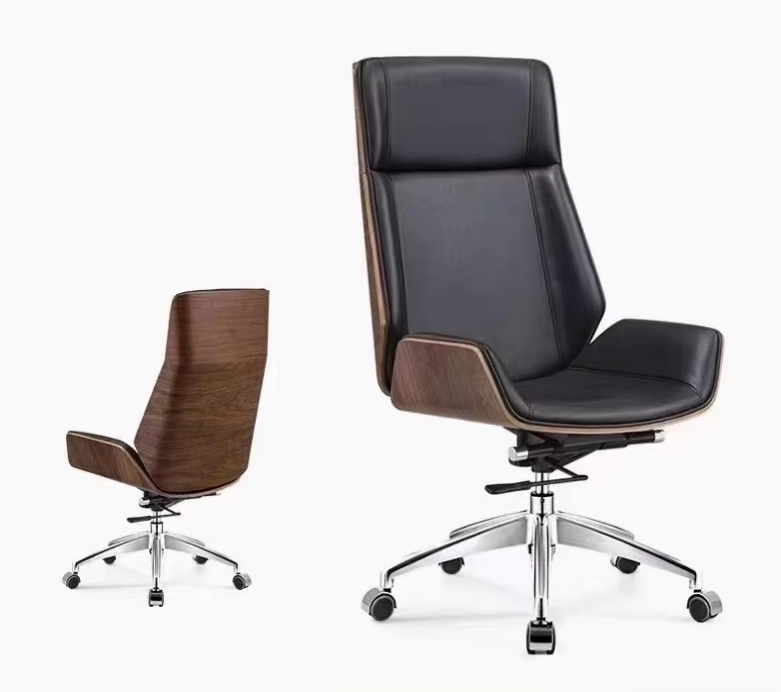
Value means cost per seated hour, not the lowest invoice
A business chair is not a one time purchase. It is a tool that gets used for thousands of hours. The lowest invoice price often hides a short service life, frequent repairs, and employee discomfort. A chair that costs 45 dollars and fails in a year can cost more than a chair that costs 110 dollars and lasts five years. The useful metric is cost per seated hour. That number includes the purchase price, replacement parts, maintenance labor, and the productivity lost when someone cannot sit comfortably. ANSI BIFMA X5.1 is a common test standard for office chairs. It simulates years of use through cycles of loading, tilting, and dropping. A chair that passes the test is not automatically perfect, but it gives buyers a baseline. Value starts with durability, not with the cheapest quote.
The mechanical parts that decide how long a chair lasts
Several components separate a durable chair from a disposable one. The gas lift should be Class 3 or Class 4, with a thick cylinder wall and a stable seal. The mechanism under the seat should be steel, not thin stamped metal. A synchronous tilt mechanism distributes recline force better than a simple spring. Seat foam density matters. Low density foam collapses in months. High density foam, often above 45 kilograms per cubic meter, keeps its shape longer. Mesh tension affects back support and breathability. Armrests should lock without wobble. Casters should roll smoothly on carpet and hard floors. EN 1335 and BIFMA X5.1 cover many of these areas. A factory that controls mold making, metal stamping, welding, and assembly can keep tolerances stable across a large order. That consistency is what keeps the hundredth chair as good as the first one.
Ergonomics that keep people productive and comfortable
Ergonomics is not a luxury feature. It is a business cost control tool. ISO 9241 part 5 describes workstation requirements, including adjustable seat height, seat depth, backrest angle, and lumbar support. A chair without seat depth adjustment can pressure the back of the knees for tall users. A fixed lumbar curve can leave shorter users unsupported. Adjustable armrests reduce shoulder strain during keyboard work. A tilt limiter and tension control let users change posture through the day. Research from occupational health bodies links poor seating to lower back pain and lost workdays. The return on a better chair is not always visible on an invoice, but it shows up in attendance, focus, and turnover. A company that buys adjustable chairs for full time desk workers usually spends less on sick leave and replacement staff than a company that buys fixed chairs.
A purchasing case where cheap chairs cost more
A 2023 office expansion in Foshan gave a clear lesson. A 120 person logistics company bought 140 low cost chairs at about 45 dollars each. Within twelve months, 40 percent had gas lift failures, cracked bases, or collapsed seat foam. The company spent over 20,000 dollars on repairs, temporary chairs, and replacement units. Employees complained about back pain, and two staff members asked for standing desks to avoid the chairs. The following year, the company replaced the remaining chairs with mid range ergonomic models at about 110 dollars each. Three years later, the failure rate was below 8 percent. The second batch also used replaceable casters and armrest pads, which extended service life. The total cost per seated hour dropped even though the unit price more than doubled. The lesson is simple. Cheap chairs are not cheap when everything is counted.
How to judge a supplier before placing a bulk order
A chair is only as good as the factory behind it. Buyers should ask for test reports, not just certificates. BIFMA X5.1 and EN 1335 reports show how the chair behaved under load and cycle testing. A factory tour or video audit should show injection molding, metal fabrication, welding, and assembly lines. Incoming material inspection matters for foam, mesh, gas lifts, and casters. Spare part availability matters too. A chair with a replaceable gas lift and caster set can stay in service for years. A chair with glued or riveted parts often becomes waste. Boke has worked in office seating for more than 13 years and supports bulk orders through its manufacturing and supply chain network. That background helps buyers compare real durability, not just showroom appearance.
Matching chair types to real work patterns
Different jobs need different chairs. A control room with around the clock shifts needs a durable 24 hour chair with breathable mesh and a strong tilt mechanism. A finance or design team that sits for long stretches benefits from seat depth adjustment and a flexible lumbar support. A meeting room needs stackable or nesting chairs that save space. A reception area may prioritize appearance and easy cleaning. Buyers should list the daily seated hours, user body sizes, floor type, and cleaning routine before choosing a model. The best value chair is the one that matches the task and survives the environment. Boke focuses on office chair manufacturing and bulk supply, which helps businesses standardize seating across locations without losing parts compatibility. Value comes from that fit between product, factory, and daily use.
Table of Contents
- Value means cost per seated hour, not the lowest invoice
- The mechanical parts that decide how long a chair lasts
- Ergonomics that keep people productive and comfortable
- A purchasing case where cheap chairs cost more
- How to judge a supplier before placing a bulk order
- Matching chair types to real work patterns