 EN
EN

Why Corporate Procurement Needs a Different Standard
Buying one office chair for a home desk is a personal choice. Buying five hundred for a corporate office is a procurement project. The criteria are different. Corporate buyers care about bulk pricing, delivery schedules, employee comfort, turnover, and long term maintenance. A chair that feels fine for an hour may cause back pain after eight hours. That pain turns into sick days, lower output, and replacement requests. The best chair for procurement is not the cheapest or the most stylish. It is the one that fits the most body types, survives daily use, and arrives on time. Procurement teams also face budget cycles and compliance rules. They need documentation, consistent quality, and a supplier that understands commercial terms. A chair is a tool for work. When it fails, the cost goes far beyond the invoice.
Ergonomic Adjustments That Fit a Wide Range of Employees
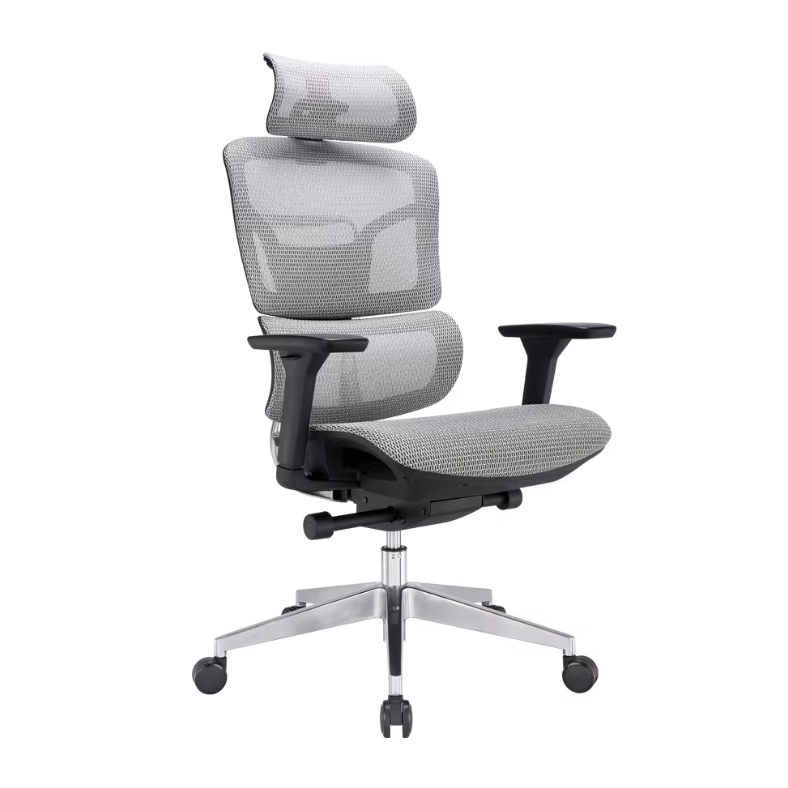
No single chair fits every body. A tall employee needs a higher seat and a deeper seat pan. A shorter employee needs a lower seat and a shallower pan. The best corporate chair offers a wide adjustment range. Key features include seat height, seat depth, armrest height and width, lumbar support, and back angle. The Business and Institutional Furniture Manufacturers Association publishes BIFMA X5.1, a standard for general purpose office chairs. This standard covers durability, stability, and safety tests. Procurement teams can ask for test reports against BIFMA X5.1 or EN 1335. The U.S. Occupational Safety and Health Administration notes that adjustable workstations and chairs can reduce musculoskeletal strain. That matters for insurance costs and employee retention. A chair with limited adjustment may work for a few people. It fails for the rest.
Material Choices and Their Impact on Long Term Cost
Materials decide how long a chair lasts and how much it costs to maintain. Mesh back chairs breathe well and stay cool. Leather chairs look formal and clean easily. Plastic chairs are light and inexpensive but may not survive heavy use. The table below compares common options for corporate settings.
| Material Type | Breathability | Ease of Cleaning | Durability | Relative Cost |
|---|---|---|---|---|
| Mesh back | High | Moderate | Good | Medium |
| Leather | Low | High | Very good | High |
| Fabric | Medium | Low | Good | Medium |
| Plastic | Low | High | Fair | Low |
A low cost chair may need replacement in two years. A better built chair may last five or more. Procurement should calculate cost per year, not just purchase price. Foam density matters too. Cheap foam flattens quickly and loses support. High density foam holds its shape. Metal bases and gas lifts should be tested for cycles and weight capacity. These details decide whether the chair stays in service or ends up in a storage room.
Customization and Branding for Corporate Identity
Large orders often come with branding needs. A company may want its logo on the headrest or a specific color to match office design. Customization can improve employee pride and client impressions. But customization adds complexity. It affects minimum order quantity, lead time, and quality control. Procurement should ask clear questions. 1. What is the minimum order for custom colors? 2. Can the supplier match a Pantone color? 3. How long does sampling take? 4. Are replacement parts available in the same color? A supplier that handles customization well will provide a sample before mass production. That step catches color shifts and logo placement errors. Without it, a large order can arrive with the wrong shade or a crooked label. Customization is valuable when the process is controlled.
Supply Chain Reliability and Lead Time Risks
Delivery delays can stop an office opening. A corporate client in Shenzhen once ordered five hundred chairs from a supplier that promised a four week lead time. Three months passed. The chairs arrived, but many gas lifts failed within the first month. The replacement process took weeks. Employees used temporary chairs. The root cause was a cheap gas lift from a new subcontractor. The company then switched to a manufacturer that tested every gas lift before assembly. The lesson is simple. Procurement should audit component sourcing, not just the final chair. Ask where the gas lift, base, and foam come from. Ask about production capacity and backup suppliers. A factory with its own production lines has more control than a trading company. Lead time promises mean little without verified capacity.
Testing and Certification to Reduce Risk
Certifications and test reports reduce guesswork. BIFMA X5.1 covers chair durability and safety. EN 1335 is a European standard for office chairs. ISO 9001 shows a quality management system. These documents are not marketing extras. They show that the product has been tested against recognized criteria. Procurement teams should request test reports for the specific model under consideration. They should also ask about factory audits and incoming material checks. A supplier that cannot provide test data is a risk. A supplier that provides clear data and welcomes a factory visit is a partner. The best chair for corporate procurement is the one that comes with evidence, not just a catalog photo.
Working with Boke for Office Chair Programs
Foshan Boke Furniture Co., Ltd, known as Boke, has been designing and manufacturing ergonomic office chairs since 2013. Boke is based in Nanhai, Foshan, a hub for integrated furniture production. Over more than ten years, Boke has built a range that includes mesh chairs, leather chairs, training chairs, and custom designs. The factory uses quality fabrics, foams, and metals to support daily use in offices, training rooms, and meeting spaces. For corporate procurement teams, Boke offers customization to meet specific requirements, from color and material to branding details. A supplier with its own manufacturing base and years of production experience can support consistent quality and reliable delivery. That combination matters when a single order can affect hundreds of employees.
Table of Contents
- Why Corporate Procurement Needs a Different Standard
- Ergonomic Adjustments That Fit a Wide Range of Employees
- Material Choices and Their Impact on Long Term Cost
- Customization and Branding for Corporate Identity
- Supply Chain Reliability and Lead Time Risks
- Testing and Certification to Reduce Risk
- Working with Boke for Office Chair Programs