 EN

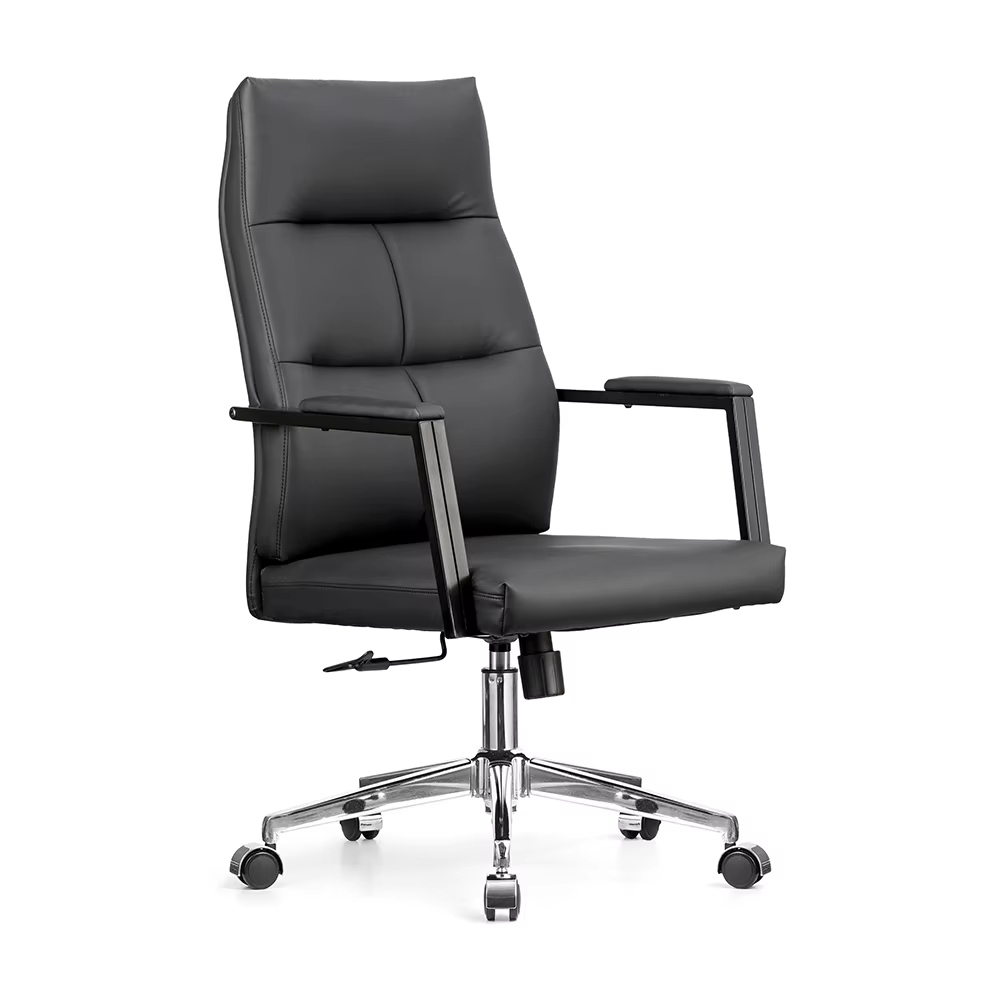
Office layouts now ask one chair to do more than one job
Walk through a recently renovated office floor and the old rows of identical desks are usually gone. What shows up instead is a mix of hoteling benches, phone booths, quiet rooms, collaboration corners, and a few soft seating spots near the windows. Reclining chairs fit that mix because one chair can cover two modes. It works as a focused task seat, and it also gives the user a way to lean back for a short reset without walking to a separate lounge. That flexibility is a big reason the category keeps showing up in office furniture plans. The appeal is not that every employee needs a full nap chair. The appeal is that a dense floor can add a recovery option without giving up a whole room.
Recline adds a second posture without adding a second room
Space is the quiet cost driver in modern office design. A dedicated wellness room sounds good on a plan, yet many buildings cannot spare the square footage. A reclining chair sits on a footprint close to a standard task chair, and it can support a short backward lean, a longer rest angle, or a locked upright position. In a hoteling setup, that range helps a shared seat feel less rigid. The chair still needs clearance behind it, and the recline mechanism needs to lock at useful angles rather than sliding freely. A synchro-tilt mechanism that moves the back and seat together usually feels more stable than a back-only recline, because the seat edge lifts slightly as the back opens. The tradeoff is cost and service complexity. For rooms where people only lean back for a few minutes, a simpler mechanism can be enough.
How recliners compare with sofas and standard task chairs in rest zones
The table below compares three common rest-zone options. Price bands are rough bulk estimates, not retail figures. The point is to show why reclining chairs often land in the middle: more flexible than a sofa, more restful than a standard task chair, and easier to place than a full lounge set.
| Option | Typical footprint | Posture range | Cleaning routine | Flexibility | Rough bulk price band |
|---|---|---|---|---|---|
| Standard task chair | About 0.5 to 0.6 sq m | Upright with slight recline | Wipe arms and seat, vacuum casters | High for desk work, low for rest | USD 28 to 75 |
| Reclining office chair | About 0.6 to 0.8 sq m plus rear clearance | Upright to 25 or 40 degrees, some with footrest | Wipe surfaces, clean footrest and mesh | High for mixed focus and short rest | USD 45 to 110 |
| Two-seat office sofa | About 1.4 to 1.8 sq m | Fixed lounge angle | Vacuum seams, spot clean fabric | Low for desk work, high for conversation | USD 180 to 420 |
A sofa wins on deep relaxation, but it takes floor area and rarely suits a laptop session. A standard task chair is efficient at a desk, yet it offers little real rest. A recliner sits between the two, which is exactly why it appears in phone rooms, quiet corners, and shared rest areas.
The wellness story is real, but posture change is the honest benefit
Sitting in one position for hours is the problem, and a reclining chair helps mainly by making a posture change easy. That is a modest claim, and it is the claim that holds up. A recliner does not replace standing up, walking, or a proper break. It does give the lower back a different angle and takes some load off the spine for a few minutes. Mesh backs can feel cool in warm rooms, while PU leather is easier to wipe down but can feel warm during a long lean. Neither material is universally better. ANSI/BIFMA X5.1 is a useful reference for cyclic durability and stability testing, and EN 1335 provides dimensional guidance for office work chairs. Those standards do not certify comfort or health outcomes, but they give buyers a shared baseline for mechanism strength and dimensions. A supplier that cannot point to the test standard behind a recline mechanism or gas lift deserves a closer look.
A media office retrofit showed where recliners fit and where they do not
In a 180-seat media office retrofit in southern China, the design team first placed reclining chairs along an open editing floor. The idea was to give editors a quick lean-back option between deadline pushes. It did not work well. The chairs needed rear clearance, and the editing desks were already tight against low storage cabinets. A leaned-back chair blocked the aisle. The team moved the recliners into four phone rooms and two quiet corners, then kept standard task chairs on the open floor. That split worked. The quiet rooms became popular, but the footrests needed a daily wipe because dust collected in the folded joints. The headrests also fit taller users better than shorter ones, so the team ordered two headrest heights. The lesson was not that recliners failed. The lesson was that recliners need a room-level plan, not a blanket rollout.
Popularity has limits, and good specs name them
Reclining chairs are not a universal upgrade for every desk. A few limits are worth writing into the specification:
-
Rear clearance in the reclined position, measured with the chair at its full angle.
-
Lock positions that match short pauses and longer rest, not just a full lounge angle.
-
Footrest load rating and a cleaning plan for the folded joint.
-
Headrest height range tested with different body heights.
-
Fabric or mesh choice matched to air conditioning, cleaning products, and daily use.
A recliner also needs to pass the same fire and egress review as any other chair. A comfortable seat that blocks an exit path is a liability. Buyers should be honest about where the chair will sit and who will use it. Not every employee likes a deep recline, and some prefer a simple upright chair with a good lumbar pad.
Why the category keeps growing in office furniture plans
The popularity of reclining chairs comes from a practical shift in office design. Floors are denser, work modes are more mixed, and employees expect a place to reset without leaving the suite. A recliner covers that gap without the footprint of a sofa or the cost of a separate lounge room. Boke, the Foshan-based chair factory, builds mesh, leather, and training chairs with in-house checks on frames, foam, and incoming fabric, plus export packing and spare-part planning that mixed-use office projects usually need.
Table of Contents
- Office layouts now ask one chair to do more than one job
- Recline adds a second posture without adding a second room
- How recliners compare with sofas and standard task chairs in rest zones
- The wellness story is real, but posture change is the honest benefit
- A media office retrofit showed where recliners fit and where they do not
- Popularity has limits, and good specs name them
- Why the category keeps growing in office furniture plans