 EN
EN

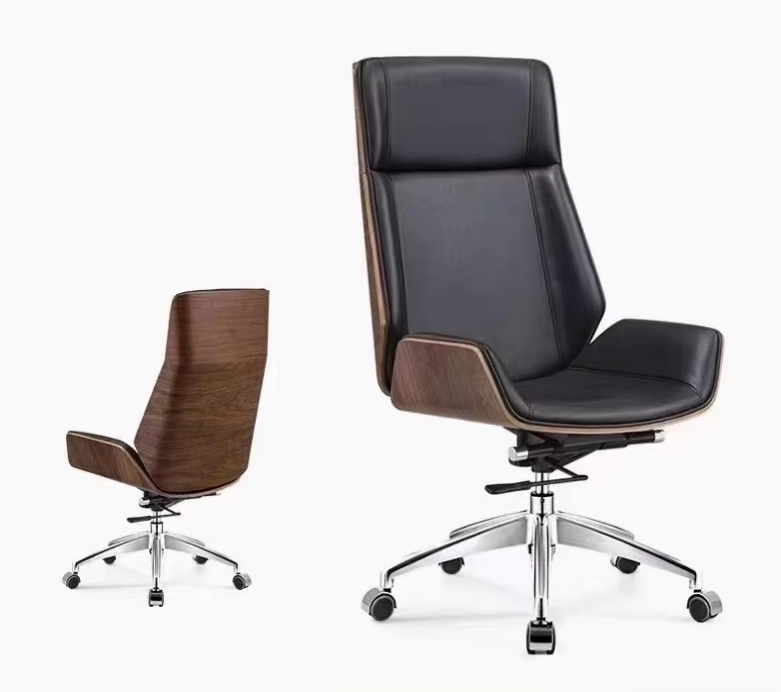
Diagnosing Adjustment Failures in an Adjustable Office Chair
Recognizing key symptoms: sinking, instability, unresponsive lever, or erratic tilt
When your seat gradually drops under normal use, the gas lift cylinder is likely failing. A chair that wobbles or shifts side-to-side points to worn base components or a loose seat plate. An unresponsive height lever usually signals a broken cable or disconnected linkage inside the mechanism. Erratic recline—locking unpredictably or drifting freely—often indicates debris in the tilt lock or a stretched spring. Pay attention to onset: gradual sinking typically reflects gas cylinder pressure loss, while sudden instability suggests a snapped metal part. Listen for clicking, grinding, or hissing sounds—they often confirm mechanical wear or seal failure. Identifying these signs early prevents full collapse and helps determine whether a targeted part replacement will resolve the issue or if full chair replacement is warranted.
Pinpointing the root cause—gas lift vs. lever linkage vs. tilt mechanism failure
Three main subsystems account for most adjustment failures. The gas lift cylinder fails when internal seals leak, causing sinking or inability to rise. Lever linkage issues arise from cable stretch, breakage, or detachment from the lift pin—resulting in an unresponsive handle. Tilt mechanism failures stem from worn springs, loose tension bolts, or jammed locking gears, leading to inconsistent or stuck recline. To diagnose efficiently, test one function at a time: if height adjustment fails but tilt works, focus on the gas cylinder and lever cable. If only tilt behaves erratically, inspect the mechanism beneath the seat. A systematic approach avoids misdiagnosis and unnecessary part purchases.
Repairing the Height Adjustment System of an Adjustable Office Chair
Troubleshooting and temporary fixes for a sinking chair
A sinking seat almost always stems from a compromised gas lift cylinder. Before replacing it, try these short-term solutions. First, raise the chair to maximum height and listen closely for a hiss—if present, the seal is leaking. As a friction-based stopgap, apply a heavy-duty zip tie or hose clamp around the cylinder’s outer tube just below the seat plate; tighten firmly to slow descent. This can extend usability by several weeks. Also verify the height lever operates smoothly: clean any dust or grime from its housing and ensure it snaps back fully after release. While not permanent, these measures preserve ergonomic support until you install a certified replacement cylinder.
Gas lift cylinder replacement: step-by-step procedure and compatibility tips
Replacing the gas lift is the definitive fix for sinking. Begin by turning the chair upside down on a soft surface. Remove the C-clip or retaining ring securing the base to the cylinder, then pull the base straight off—use a rubber mallet gently if needed. Slide the seat off the top of the cylinder; if stuck, apply penetrating oil and wait 10 minutes before reattempting. Once free, discard the old cylinder. Before installing the new one, confirm three critical compatibility factors: stroke length (4–6 inches), outer diameter (most standard chairs use 2 inches / 50 mm), and class rating (Class 2 or higher for typical office use). Insert the new cylinder into the base, press the seat onto the piston rod, and flip the chair upright. Test full height range—proper installation restores stability, smooth motion, and eliminates sinking permanently.
Restoring Tilt, Recline, and Locking Functionality in an Adjustable Office Chair
Adjusting tilt tension and recalibrating the locking mechanism
Proper tilt tension ensures controlled, comfortable recline without instability or excessive effort. Unlock the mechanism and lean back to a natural working angle—typically 100–110 degrees. Observe whether the backrest returns upright within 1–2 seconds without jerking or drifting. Tighten the tension knob clockwise to increase resistance; loosen it counter-clockwise if movement feels stiff or labored. For optimal lumbar support, calibrate the tilt lock to engage at a slight 10–15 degree recline. Research from the Ergonomics Safety Council shows this passive-support position reduces spinal compression and lowers lumbar disc pressure significantly compared to static 90-degree sitting.
Inspecting and servicing pivot points, springs, and wear-prone components
Worn pivot points and degraded springs cause the majority of recline failures in chairs over five years old. Systematically examine high-stress areas:
- Check lateral play in pivot joints exceeding 3 mm
- Test spring rebound by compressing and timing return speed
- Inspect nylon bushings for cracks, flattening, or deformation
Apply lithium-based lubricant sparingly to metal contact surfaces. Replace elastomer dampeners showing visible flattening or cracking. For coil springs with >15% length reduction, replacement restores proper kinetic energy transfer and consistent resistance. Addressing these wear points proactively extends functional life by 3–5 years and prevents sudden, unsafe mechanism failure.
Extending Lifespan Through Preventative Care for Adjustable Office Chair Mechanisms
Proactive maintenance significantly extends the functional life of your adjustable office chair—and preserves ergonomic integrity. Implement a quarterly inspection routine: check for loose bolts or screws in all adjustment mechanisms and tighten them immediately to maintain structural integrity. Clean upholstery and frame surfaces regularly to prevent abrasive dirt from migrating into moving parts like tilt gears and height adjusters. Apply silicone-based lubricant sparingly to pivot points, recline joints, and height adjustment assemblies every six months—this ensures smooth operation without attracting dust or grit. Avoid prolonged exposure to direct sunlight or extreme temperature swings, which accelerate material degradation in plastics, elastomers, and hydraulic seals. Operate all levers and controls deliberately—never force them. Finally, practice mindful weight distribution: avoid perching on armrests or leaning heavily to one side, both of which impose uneven stress on tilt mechanisms. Consistent, informed usage paired with scheduled care maintains adjustment reliability, delays costly repairs, and sustains healthy posture support for years.
FAQs
What causes an office chair to sink?
Office chairs sink primarily due to failure of the gas lift cylinder, which loses pressure or develops seal leaks over time.
How can I temporarily stop my chair from sinking?
Use a heavy-duty zip tie or hose clamp tightly around the cylinder’s tube below the seat plate; this slows the descent temporarily until a replacement is installed.
Can I fix tilt tension issues myself?
Yes, you can. Adjust the tension knob clockwise to tighten resistance or counterclockwise to make movement smoother and less stiff.
How can I extend the lifespan of my adjustable office chair?
Conduct quarterly maintenance checks, clean surfaces to prevent debris from entering mechanisms, apply lubricants sparingly, and avoid uneven weight distribution or misuse of controls.