 EN
EN

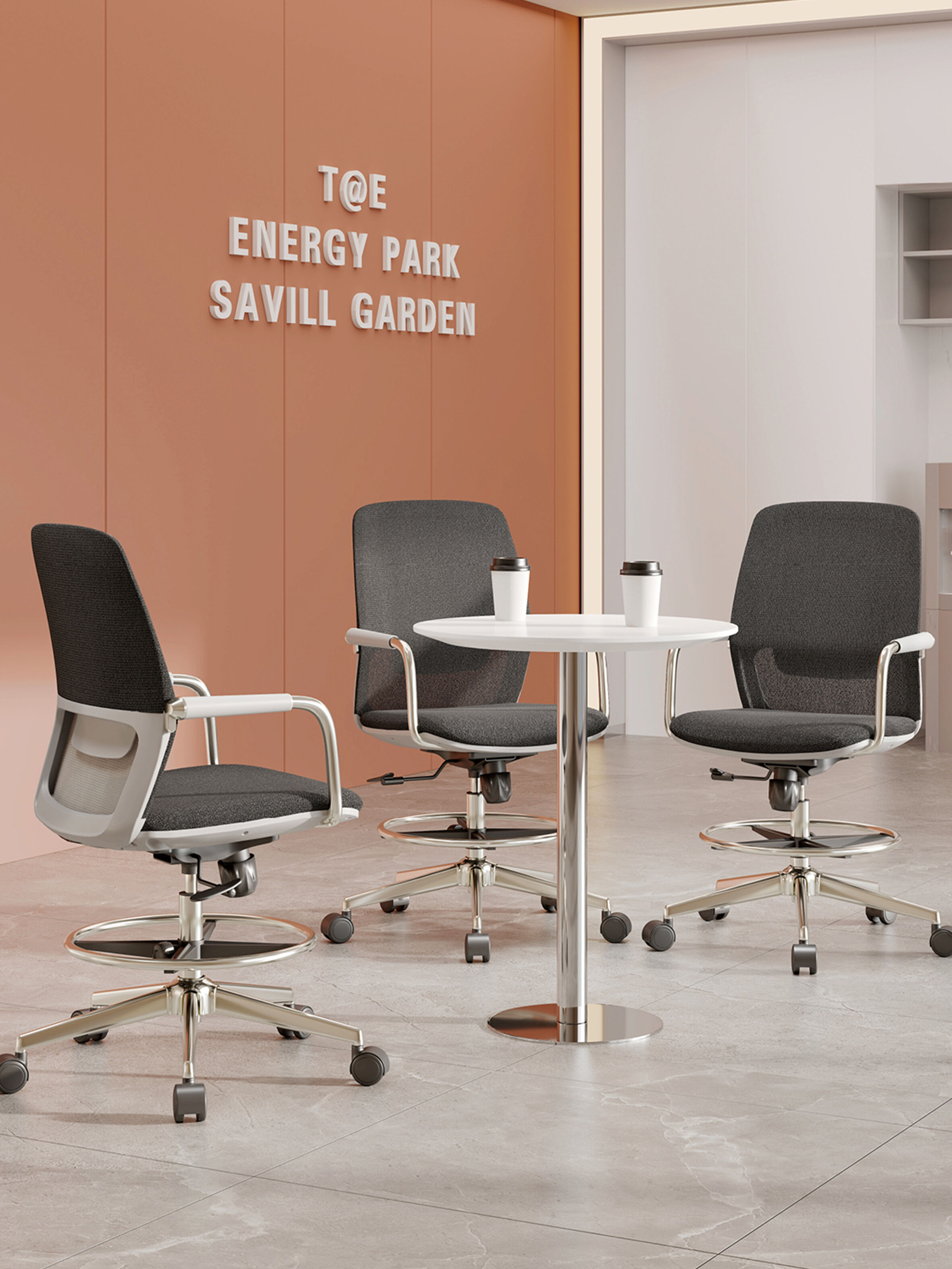
Seat Pan Fit: Anthropometrics, Depth, and Circulation for Ergonomic Office Chair Comfort
Anthropometric alignment: Matching seat dimensions to user body metrics
Proper seat pan fit begins with anthropometric alignment. The seat width should exceed your hip measurement by at least one inch on each side to prevent hip compression and forward sliding—ensuring full thigh support without restricting movement. A 17–20 inch width accommodates most body types while allowing natural posture shifts and maintaining even pressure distribution.
Seat depth and height adjustment: Preventing pressure points and supporting blood flow
Test seat depth by ensuring a 2–4 finger gap between the seat edge and the back of your knees. This prevents popliteal pressure that restricts circulation—a critical factor in reducing leg fatigue during prolonged sitting. Combine this with height adjustments that position knees level with hips and feet flat on the floor. Waterfall seat edges further enhance blood flow by eliminating pressure behind the knees. Adjustable depth mechanisms redistribute weight from the tailbone to the thighs, minimizing pressure points by up to 27% according to posture studies.
Lumbar Support Testing: Adjustability, Backrest Tension, and Spinal Alignment
Quantitative and qualitative lumbar support evaluation methods
Effective testing combines objective measurements with subjective feedback. Pressure mapping sensors quantify force distribution along the lumbar curve, targeting 15–25 mm of support depth to maintain natural spinal alignment. Simultaneously, standardized comfort scales capture user feedback during 90-minute sitting sessions—assessing whether the support prevents posterior pelvic tilt and reduces disc pressure by over 40% compared to unsupported sitting. This dual-method approach ensures chairs accommodate 95% of users’ spinal curves per established anthropometric databases.
Mesh backrest tension and contour adaptability for sustained ergonomic office chair use
Mesh backrests require specialized tension testing to balance flexibility and support. Technicians measure Newton resistance across the fabric grid, ensuring consistent 20–30 N tension that adapts to micro-movements without sagging. The material must contour to individual lumbar curves within 5° of the spine’s natural inclination while distributing pressure evenly. Long-term evaluations track structural integrity after 12,000 recline cycles—a benchmark for preventing muscle fatigue during extended professional use. This adaptability enables dynamic support through posture transitions without localized pressure points.
Dynamic Functionality: Recline Mechanics, Posture Transitions, and Long-Term Sitting Comfort
Backrest recline range and synchronous movement testing
Optimal recline functionality requires testing both range (typically 100–130°) and synchronization between seat and backrest components. Synchronous tilt mechanisms—where the backrest reclines 2–3 times farther than the seat pan—maintain pelvic alignment while keeping feet grounded, preventing knee elevation that compromises circulation. During evaluation, verify tension adjustability supports effortless movement (initiating recline with deep-breath-level pressure) while retaining neutral posture support. Weight-sensitive auto-tension systems outperform manual knobs in shared environments, reducing adjustment frequency by 73% according to 2023 workspace efficiency studies. Avoid center-tilt designs that disrupt ergonomic positioning; prioritize mechanisms preserving the hip-thigh-spine angle during transitions.
60–120 minute real-world sitting endurance assessment
Validate long-term comfort through controlled sitting sessions mirroring standard work blocks. Begin upright (90–100°) for typing, transition to slight recline (100–110°) for reading, and use full recline (110–130°) for 2-minute micro-breaks every 25 minutes—a rhythm shown to reduce lumbar pressure by up to 40% (Ergonomics International 2023). Monitor for emerging discomfort: thigh pressure points after 45 minutes, lower back stiffness during posture transitions, or leg circulation issues. High-performing chairs maintain consistent support throughout, with resilient seat cushions preventing bottoming-out and adaptive backrest tension accommodating spinal shifts. Document subjective fatigue levels alongside observable posture degradation to holistically assess endurance performance.
Integrated Comfort Validation: Combining Subjective Feedback with Objective Biometric Data
Truly validating ergonomic office chair comfort requires merging quantitative biometric measurements with qualitative user insights. While pressure mapping sensors objectively identify high-stress zones (e.g., >40 mmHg under thighs indicating restricted circulation), these data alone miss experiential factors like perceived stiffness or fatigue patterns. Simultaneously, subjective diaries documenting hourly comfort ratings reveal user-specific pressure thresholds but risk recall bias. A 2023 study demonstrated this synergy: when pressure sensors detected 15% reduced spinal loading during recline, 78% of users corroborated this via real-time comfort surveys, while 22% reported increased lumbar discomfort—highlighting individual biomechanical variations. Integrating both methodologies exposes critical gaps: objective data validates adjustability efficacy, while subjective feedback identifies personal tolerance limits invisible to sensors. For actionable results, pair 8-hour pressure distribution mapping with structured user journals rating localized discomfort (1–10 scale) at 90-minute intervals. This dual-layer approach prevents manufacturers from over-engineering features that sensors “approve” but users reject, ensuring comfort validation reflects human physiology and lived experience. As noted in ergonomic research, systems synthesizing sensor data and self-assessment yield 34% higher long-term satisfaction than isolated methods.
FAQ
Why is anthropometric alignment important for an ergonomic office chair?
Anthropometric alignment ensures that the dimensions of the chair match the user's body metrics, reducing hip compression, supporting the thighs, and maintaining even pressure distribution for optimal posture.
What does 'waterfall seat edge' mean, and why is it beneficial?
Waterfall seat edges refer to curved front edges on the seat pan that prevent undue pressure behind the knees, enhancing blood circulation and reducing leg fatigue during extended sitting.
How can lumbar support be effectively tested?
Effective testing combines objective measurements like pressure mapping sensors with qualitative feedback from users to assess spinal alignment and comfort during prolonged use.
What is the role of mesh backrest tension in ergonomic chairs?
Mesh backrest tension adapts to micro-movements while contouring to the spine within 5° of its natural curve, maintaining flexibility, support, and durability over time.
How does synchronous tilt mechanism improve posture transitions?
Synchronous tilt mechanisms allow the backrest to recline further than the seat, preserving neutral pelvic alignment, maintaining circulation, and accommodating dynamic posture shifts.
Table of Contents
- Seat Pan Fit: Anthropometrics, Depth, and Circulation for Ergonomic Office Chair Comfort
- Lumbar Support Testing: Adjustability, Backrest Tension, and Spinal Alignment
- Dynamic Functionality: Recline Mechanics, Posture Transitions, and Long-Term Sitting Comfort
- Integrated Comfort Validation: Combining Subjective Feedback with Objective Biometric Data
-
FAQ
- Why is anthropometric alignment important for an ergonomic office chair?
- What does 'waterfall seat edge' mean, and why is it beneficial?
- How can lumbar support be effectively tested?
- What is the role of mesh backrest tension in ergonomic chairs?
- How does synchronous tilt mechanism improve posture transitions?