 EN
EN

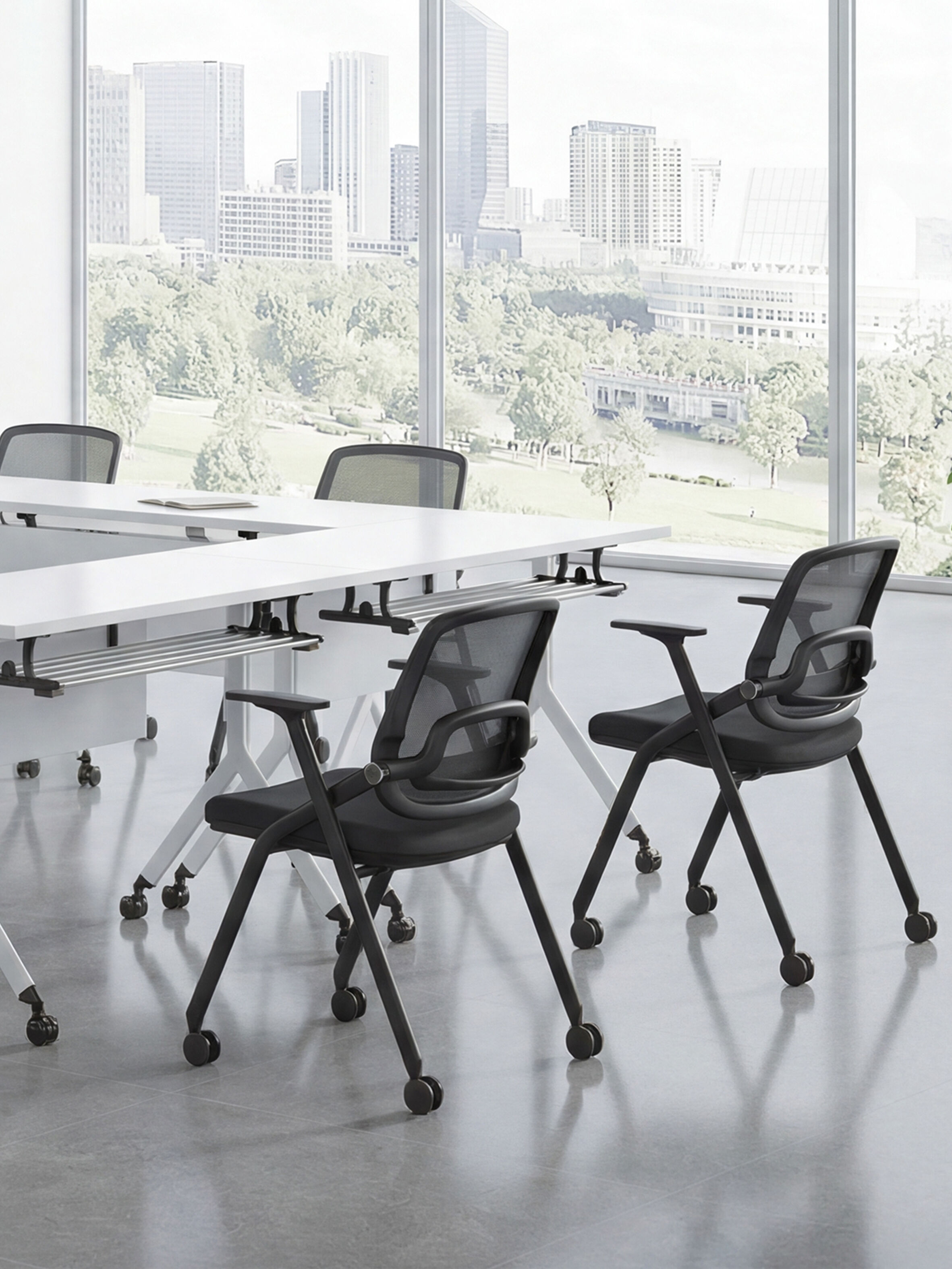
Understanding Folding Chair Load Capacity Ratings
Static vs Dynamic Load Ratings: What They Mean for Real-World Use
Folding chair load ratings are defined by two distinct measures: static and dynamic. Static capacity reflects the maximum weight a chair can support when stationary—such as a person sitting motionless—while dynamic capacity accounts for real-world forces generated during sitting, standing, shifting, or leaning. Because movement introduces impact loads up to 1.5× a user’s body weight, dynamic ratings are the true indicator of safe, everyday performance. For instance, a chair rated at 300 lbs statically may only be certified for 200 lbs dynamically. Always rely on the dynamic rating—clearly listed in pounds or kilograms—for active environments like classrooms, conferences, or event venues.
How Safety Margins and Manufacturer Testing Influence Rated Capacity
To ensure reliability, manufacturers incorporate safety margins of 20–30% above stated dynamic capacities—accounting for variables such as uneven loading, surface irregularities, or incidental impacts. These reserves stem from standardized testing protocols aligned with BIFMA X5.1 and EN 16139, which require chairs to withstand significantly higher loads than their published ratings before failure. A chair labeled for 250 lbs, for example, typically endures over 325 lbs in controlled tests. Third-party validation against these benchmarks ensures consistency and prevents inflated claims. Certified chairs also endure 10× more stress cycles than residential models, making them structurally resilient for commercial use.
Key Structural Elements That Determine Folding Chair Strength
Frame Materials: Steel, Aluminum, and Reinforced Resin Compared
Frame material directly dictates strength-to-weight performance. Steel offers the highest load-bearing potential—commercial-grade steel frames routinely exceed 1,000 lbs (450 kg) in validated testing—but require corrosion-resistant coatings for longevity. Aluminum provides a 30–40% weight reduction and inherent rust resistance, ideal for portable applications, though its typical dynamic capacity caps near 500 lbs (225 kg). Reinforced resin composites—enhanced with fiberglass or carbon fiber—deliver up to 400 lbs (180 kg) while resisting UV degradation, moisture, and chemicals. Strategic design features like thicker cross-sections and ribbed reinforcements compensate for resin’s lower intrinsic stiffness, making material selection a deliberate trade-off among weight, environment, and load demand.
Joint Engineering and Folding Mechanism Design for Load Integrity
The folding mechanism is not just functional—it’s a critical structural node. Pivot joints bear peak stress during unfolding and loading, so high-load chairs use hardened steel pins and double-riveted connection plates to resist shear failure. Over-center locking systems enhance rigidity by mechanically preventing collapse under lateral shifts. Premium designs add redundant safety latches and triangulated bracing at knee joints, reducing hinge strain by up to 70%. Cross-braced leg assemblies further distribute dynamic forces evenly across all contact points, minimizing localized deformation and preserving long-term stability.
Industry Certification Standards for Folding Chair Load Testing
BIFMA X5.1 and EN 16139: Benchmarks for Commercial-Grade Folding Chairs
BIFMA X5.1 and EN 16139 serve as the foundational certification standards for commercial folding chairs, defining rigorous test methods that validate both safety and durability. BIFMA X5.1 mandates static load testing with forces exceeding typical user weights—often 300–400 lbs—and dynamic endurance testing of 250,000+ loading cycles to simulate years of institutional use. EN 16139 adds European-specific requirements for stability, tipping resistance, and safety margin verification. Chairs compliant with either standard undergo third-party evaluation to confirm performance claims, resulting in up to 50% longer service life and significantly reduced risk of sudden failure compared to uncertified alternatives.
Why Staying Within the Rated Load Capacity Matters for Safety and Longevity
Exceeding a folding chair’s rated dynamic load creates immediate safety risks and accelerates structural fatigue. Overloading places abnormal stress on joints, hinges, and frame members—potentially triggering catastrophic failures like leg buckling or seat collapse, which can lead to falls, spinal injuries, or fractures. Studies indicate equipment operated within its certified limits experiences 70% fewer catastrophic failures than overloaded units.
Long-term overuse compounds damage: even consistent operation at just 20% above rated capacity induces cumulative metal fatigue, joint loosening, and permanent frame warping—cutting functional lifespan by roughly half. Adhering to published load ratings preserves structural integrity, maintains predictable stability, and protects your investment. It’s not a suggestion—it’s the engineering boundary that separates reliable performance from preventable failure.
FAQ
What is the difference between static and dynamic load ratings?
Static load capacity refers to the maximum weight a folding chair can support when stationary, while dynamic load capacity accounts for forces generated during movements like sitting, standing, or shifting.
Why are safety margins important in folding chair ratings?
Manufacturers use safety margins of 20–30% above dynamic capacity to account for uneven loading, surface irregularities, or incidental impacts, ensuring reliable performance.
What materials are best for folding chair frames?
Steel provides the highest load capacity, aluminum offers rust resistance and reduced weight, and reinforced resin balances weight and environmental resistance.
What are BIFMA X5.1 and EN 16139 standards?
These are certification standards that validate the safety and durability of folding chairs through rigorous static load, dynamic endurance, and stability testing.
Why is staying within a chair’s rated load capacity essential?
Exceeding the rated load capacity can lead to catastrophic failures, structural fatigue, and significantly reduced lifespan, compromising both safety and durability.