 EN
EN

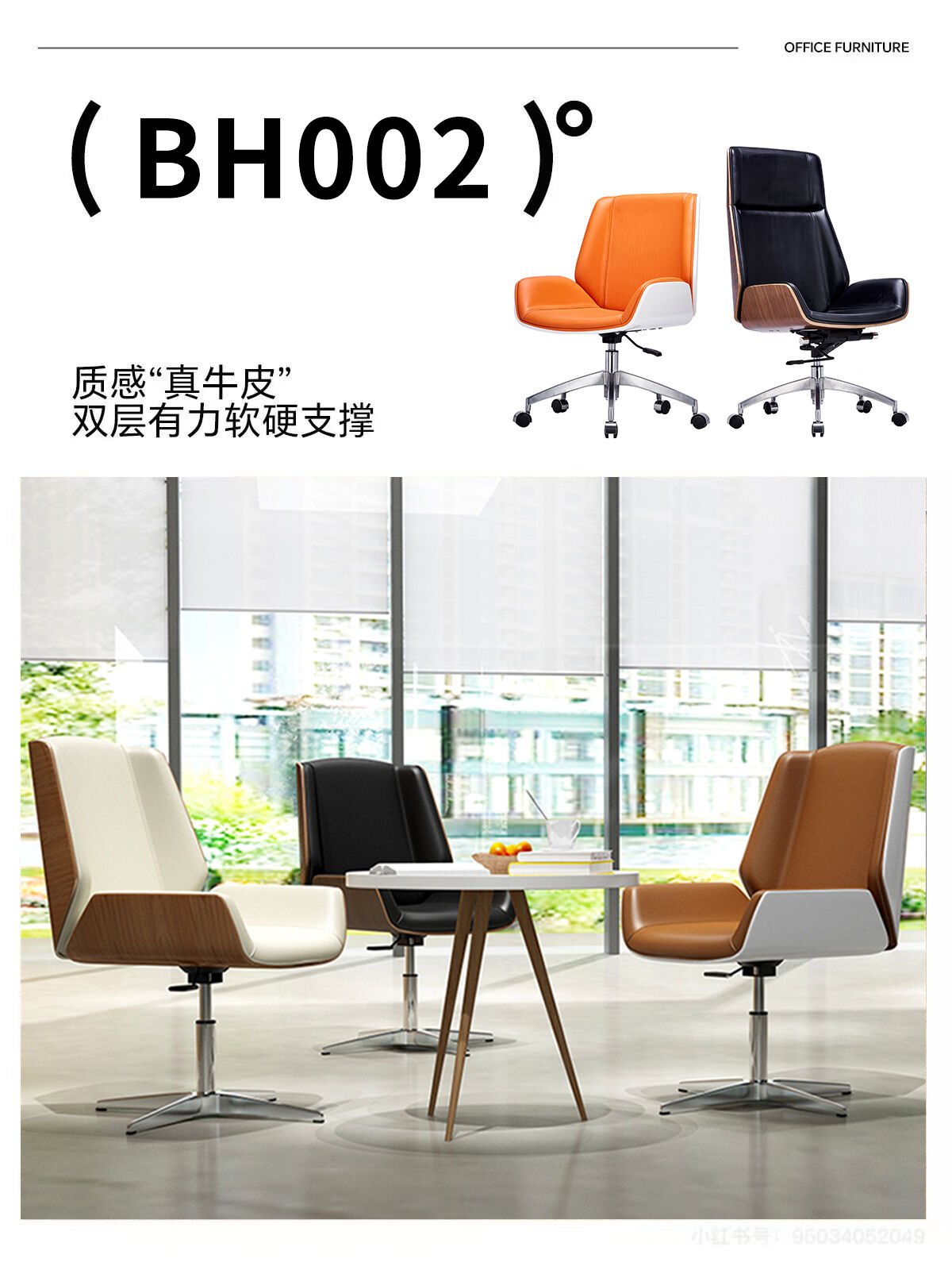
Understanding Institutional Training Chair Requirements at Scale
Scaling training chair deployments across educational and corporate environments demands balancing ergonomic needs with operational efficiency. Large institutions require solutions that maintain comfort during extended sessions while supporting rapid reconfiguration of multi-purpose spaces. Key priorities include:
- Ergonomic durability: Seating must withstand daily use without compromising lumbar support or posture alignment; non-ergonomic furniture contributes to a 17% productivity decline in training settings, per a peer-reviewed study in Applied Ergonomics.
- Space optimization: Stackable designs enable efficient storage, critical for venues hosting rotating events or workshops where floor plans change frequently.
- Scalable consistency: Procurement strategies must ensure uniform quality across hundreds of units, avoiding performance variations that disrupt learning continuity.
Schools and colleges with over 500 seats tend to go for modular frames and parts that can be swapped out when needed. These setups actually last about 40% longer than traditional fixed designs. The savings add up over time, plus they make it easier to keep up with changing needs in classrooms. Want to install smart tech mounts? Need to meet newer safety rules? Modular systems handle all that without requiring complete overhauls. Looking at real world results, institutions that adopt this approach see around a third more students sticking with their programs through multiple days. The physical space really does matter for keeping people engaged and coming back for more.
Direct Procurement vs. Co-Development: Matching Mode to Training Chair Objectives
When standardized training chair delivery maximizes speed and compliance
School districts and colleges looking to grow fast while staying compliant with regulations find direct purchasing much better than going through middlemen. Training chairs that come pre-set from reputable manufacturers speed things up for installation and make sure they meet accessibility requirements such as those set forth in the ADA. The savings in paperwork alone is huge when bringing in over 500 students each quarter, plus it keeps the same quality throughout all campus locations. When schools need to stay within legal boundaries, ready made furniture options cut down on potential lawsuits because they already include approved ergonomic designs and safety elements that match industry standards like ANSI/BIFMA e3 for both sustainability and performance metrics.
When co-developed training chair frameworks enable pedagogical customization and sustainability
When training programs need special setups, working together on development really matters. Schools and colleges often partner with chair makers to create seating that fits their teaching style better. Think about things like adjustable writing areas for those simulation labs or stronger base structures needed in technical classrooms. Research from the Journal of Workplace Learning showed something interesting too. Schools that worked closely with manufacturers saw about a third more students sticking around because the furniture actually matched what was happening in class. Plus there's the green angle worth mentioning. These collaborative efforts help schools save money long term since they can reuse materials and extend how long the furniture lasts. Some places report cutting replacement expenses nearly in half after five years just by thinking ahead about sustainability during the design phase.
Hybrid Cooperation Models for Large-Scale Training Chair Deployment
Large-scale institutional training chair programs demand flexible frameworks that balance standardization with adaptability. Hybrid models bridge this gap by combining centralized efficiency with localized responsiveness, ensuring scalability without sacrificing contextual relevance.
The cohort-based training chair academy model: shared infrastructure, localized adaptation
The method makes use of common resources like ready made curriculum guides and certified trainers throughout different schools, yet still gives individual locations freedom to tweak how they deliver the material. Take a regional training center for instance they often set up standard welcome sessions but leave room for adjustments when dealing with unique machinery requirements at each site. Research done by the US Department of Labor shows these kinds of approaches cut down development expenses somewhere around 30 to 40 percent without losing much of what learners actually need (around 95% still finds it relevant). Buying all the training chairs through one central office helps save money overall, although people running classes locally will rearrange seats based on how their actual space looks and functions.
Technology-enabled interoperability: LMS integration, credential portability, and data governance
When learning management systems get properly connected with training chair hardware, it opens up possibilities for tracking progress as it happens and generating compliance reports automatically. After someone finishes their posture safety training module, they receive digital certificates right away which can be stored in mobile wallets for easy access later on. What's really important here is how the data stays under local control thanks to something called federated governance. Schools keep full control over their own information but still share anonymous stats with others in the region so everyone can compare how well different areas are doing. The way these systems work together actually reduces the amount of time administrators spend on paperwork by about half. Plus, rolling out new training programs across multiple locations happens much faster than before because all the pieces fit together so smoothly.
FAQ
What are the key priorities for institutional training chair deployment?
Key priorities include ergonomic durability, space optimization, and scalable consistency to ensure comfort and efficient usage.
What are the benefits of modular training chair systems?
Modular systems offer longer longevity, adaptability to changing classroom needs, and cost savings by allowing for easy updates and compliance with newer standards.
How do direct procurement and co-development differ?
Direct procurement focuses on speed and compliance by acquiring ready-made chairs, while co-development allows for customization and sustainability by partnering closely with manufacturers.
What is the cohort-based training chair academy model?
This model utilizes common resources for standardization but allows for localized adaptation, saving costs while maintaining relevance in training programs.
How do hybrid cooperation models benefit large-scale training chair deployment?
Hybrid models offer a balance between standardization and adaptability, ensuring efficiency and responsiveness to diverse needs in large institutions.
Table of Contents
- Understanding Institutional Training Chair Requirements at Scale
- Direct Procurement vs. Co-Development: Matching Mode to Training Chair Objectives
- Hybrid Cooperation Models for Large-Scale Training Chair Deployment
-
FAQ
- What are the key priorities for institutional training chair deployment?
- What are the benefits of modular training chair systems?
- How do direct procurement and co-development differ?
- What is the cohort-based training chair academy model?
- How do hybrid cooperation models benefit large-scale training chair deployment?