 EN
EN

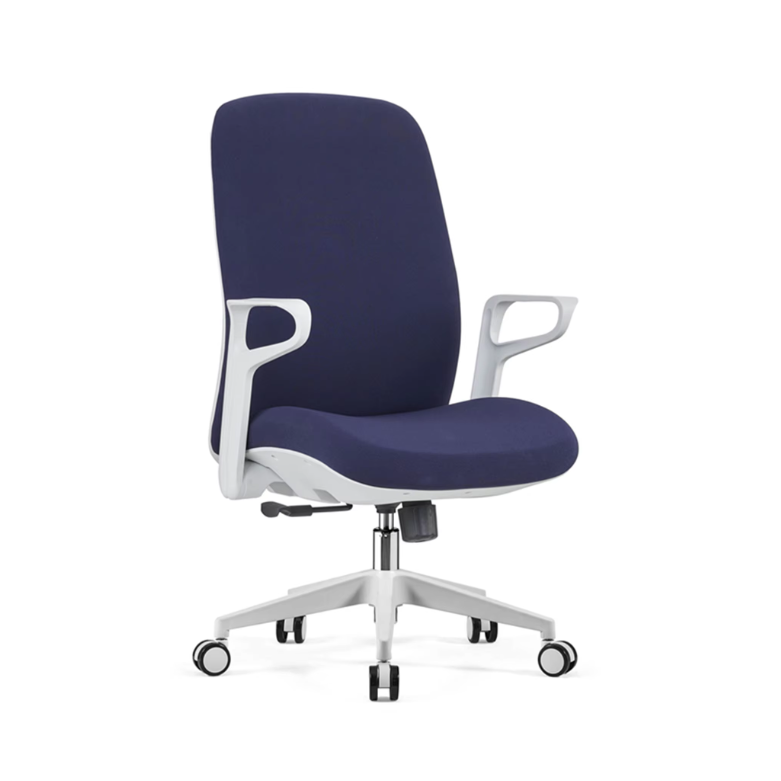
What Makes a Mesh Chair Ergonomically Superior
A mesh chair stands apart from traditional office seating by directly addressing the biomechanical challenges of prolonged sitting. Its defining feature is dynamic lumbar support that maintains the spine’s natural S-curve — a critical factor in preventing lower back strain. Unlike foam or leather chairs that compress unevenly, the flexible mesh conforms to individual body contours, distributing weight across the seat and backrest. This reduces pressure points by 25–40 percent compared to standard padded seats, according to research from the Human Factors Society. The open-weave construction further enhances comfort by allowing air to circulate freely, keeping the skin cool and dry even during extended work sessions. Modern ergonomic mesh chairs also offer a full range of adjustments — seat height, armrest angles, tilt tension, and recline depth — enabling users to tailor the chair precisely to their height and preferred posture. This combination of targeted support, breathability, and customizability makes the mesh chair a scientifically grounded solution for reducing musculoskeletal fatigue and improving long-term sitting efficiency.
Key Features to Evaluate in a High-Performance Mesh Chair
Dynamic Back Support and Lumbar Adjustment
A high-performance mesh chair must offer adjustable lumbar support that responds to the natural curve of your spine. The most effective designs allow you to modify both the height and depth of lumbar contact, ensuring a snug fit against the lordotic curve. Dynamic back support also includes a flexible backrest that moves with you, encouraging micro-movements that improve blood circulation. Without proper adjustment, even the best mesh chair cannot prevent fatigue.
Breathable Mesh Material and Frame Durability
The mesh material directly affects thermal comfort. High-quality mesh allows continuous airflow, preventing heat buildup and moisture. Look for a taut, resilient weave that does not sag over time. The frame and base must use robust alloys and reinforced plastics to support daily use. A table comparing key durability indicators can help evaluate options:
| Component | Durability Indicator | Typical Lifespan |
|---|---|---|
| Mesh fabric | Tensile strength rating; resistance to fraying | 5–8 years |
| Frame base | Material (steel vs. aluminum alloy); weight capacity | 8+ years |
| Gas lift mechanism | Class rating (3/4); corrosion resistance | 5–10 years |
Choosing a mesh chair with both breathable materials and a sturdy frame ensures long-term value and consistent ergonomic support.
Mesh Chair vs. Traditional Office Chairs: A Practical Comparison
Thermal Comfort and Long-Term Sitting Efficiency
A mesh chair promotes continuous airflow through the backrest, which prevents heat buildup during extended sitting. In contrast, traditional upholstered or leather chairs trap body heat and moisture, leading to discomfort and frequent position shifts. This thermal advantage directly supports longer, more focused work sessions. Users stay cooler, maintain better posture, and experience fewer fatigue-related distractions — all contributing to improved sitting efficiency throughout the day.
Total Cost of Ownership Over 5+ Years
While a high-quality mesh chair often carries a higher upfront price than a traditional chair, the long-term savings are significant. Mesh chairs resist wear, require minimal cleaning, and their durable frames can last over a decade. Traditional chairs often need reupholstering or replacement of compressed foam within 3–5 years. Over a five-year period, the mesh chair's lower maintenance costs and longer service life result in a lower total cost of ownership — making it the more economical choice.
How to Select the Right Mesh Chair for Your Workspace Needs
Choosing the right mesh chair starts with matching its features to your body and work style. Not every model fits every person or environment, so focus on adjustability and the context where you’ll use it.
Matching Chair Adjustability to User Height and Role
A chair’s adjustability must align with your height and daily tasks. Look for seat height range that accommodates your leg length, lumbar support that moves vertically, and armrests that adjust in height and width. For example, a taller user needs a taller backrest and deeper seat pan. Role also matters: a programmer who sits for long hours benefits from more lumbar options, while a manager who moves frequently may prioritize seat tilt and swivel. Testing the chair before purchase ensures these settings match your body.
Integrating Mesh Chairs into Hybrid and Remote Work Environments
Hybrid and remote setups demand chairs that adapt to varied home office layouts. A mesh chair’s lightweight design makes it easy to move between rooms or store when not in use. Its breathable material prevents heat buildup during long video calls, and the lack of upholstery reduces dust accumulation — a plus for allergy-prone users. Choose a model with a small footprint if your space is tight, and ensure casters work on both carpet and hard floors. For dual-purpose rooms, a neutral color blends with décor while maintaining professional ergonomics.
FAQs
What is dynamic lumbar support in a mesh chair?
Dynamic lumbar support is a feature of mesh chairs that helps maintain the natural S-curve of your spine by adjusting to your movements. This reduces lower back strain and improves sitting posture.
Why is breathability important in a mesh chair?
Breathability allows airflow through the mesh material, preventing heat buildup and keeping you cool and comfortable during extended sitting sessions.
Are mesh chairs suitable for hybrid and remote work setups?
Yes, mesh chairs are lightweight, easy to move, and adaptable to various home office layouts, making them ideal for hybrid and remote work environments.
How long does a high-quality mesh chair last?
With proper care, a high-quality mesh chair typically lasts 5–10 years, depending on the materials and durability features like the frame and gas lift mechanism.
Are mesh chairs more cost-effective than traditional chairs?
Although mesh chairs may have a higher upfront cost, their durability, lower maintenance requirements, and ergonomic benefits often result in lower costs over a 5+ year period compared to traditional chairs.