 EN
EN

Why Daily Comfort Starts with Adjustability
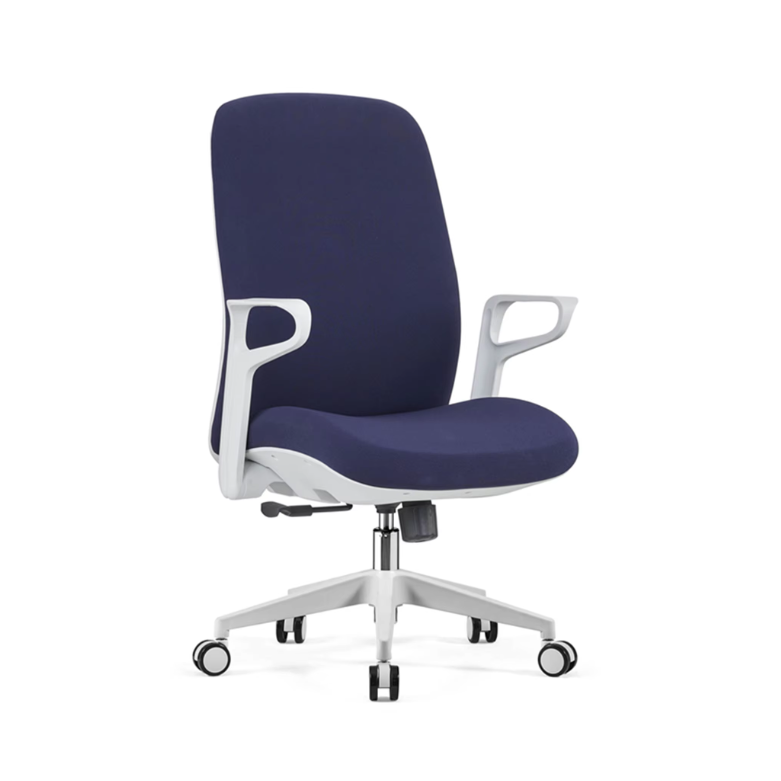
A comfortable office chair is not the softest one in the catalog. It is the one that lets a user change position through the day. Bodies move. A person shifts weight, crosses legs, leans forward to type, and reclines during a call. A fixed chair forces the body into one posture. Adjustability gives the user control. Key adjustments include seat height, seat depth, back angle, armrest position, and lumbar height. The U.S. Occupational Safety and Health Administration notes that adjustable seating can reduce musculoskeletal strain for workers who sit for long periods. Discomfort turns into fatigue, and fatigue turns into mistakes. A chair that adjusts easily is more likely to be adjusted at all. If a lever is stiff or a knob is hidden, users leave the chair in the wrong position. Comfort starts with simple, reachable controls.
Seat Depth and Height Decide Long Term Support
Seat height and seat depth are the foundation of comfort. Seat height should let the feet rest flat on the floor or on a footrest. If the seat is too high, the thighs press against the edge and circulation suffers. If it is too low, the knees rise and the lower back rounds. Seat depth should leave two to three fingers of space behind the knee. Too deep a seat pushes the user forward. Too shallow a seat reduces thigh support. They decide whether a person can sit for eight hours without shifting constantly. An office chair that fits the average user may still fail taller or shorter employees. That is why a range of adjustments matters more than a single perfect setting.
Back Support and Lumbar Contact Matter More Than Padding
A thick back pad can feel good for ten minutes. It can also push the spine out of alignment. The backrest should follow the natural curve of the spine. Lumbar support should sit in the lower back, not the mid back. Height adjustable lumbar support is useful because torso length varies. The angle between the seat and the backrest also matters. A slight recline reduces pressure on the discs. A locked upright position may suit focused work for a short time, but it is poor for all day sitting. BIFMA X5.1 includes durability and safety tests for general purpose office chairs. EN 1335 is the European standard. These tests do not measure comfort directly, but they show that the chair has been built to survive daily use. A chair that fails early cannot be comfortable.
Breathability and Materials Affect Eight Hour Comfort
Materials decide how a chair feels after hours of sitting. Mesh backs breathe and reduce heat buildup. Foam seats need enough density to support weight without flattening. Fabric choices affect friction and cleaning. The table below compares common materials for daily office use.
| Material | Breathability | Pressure Distribution | Cleaning | Durability |
|---|---|---|---|---|
| Mesh back | High | Good with frame design | Moderate | Good |
| Molded foam | Medium | High when density is right | Low | Good |
| Leather | Low | Medium | High | Very good |
| Fabric | Medium | Medium | Low | Medium |
| Plastic shell | Low | Low | High | Fair |
High density foam holds its shape longer than cheap foam. A seat that flattens creates pressure points and numbness. Armrests should support the forearms without lifting the shoulders. Soft armrest pads help, but position matters more than padding. An office chair with excellent materials but poor adjustment will still cause discomfort.
A Real Office Case Where Small Changes Fixed Big Complaints
A software company in Shanghai ordered three hundred office chairs for a new floor. Within two months, employees complained about lower back pain and numb legs. The chairs looked modern and had thick padding. An ergonomics review found two problems. The seat depth was too long for many users, and the lumbar support was fixed too high. The company replaced the seat sliders and added height adjustable lumbar pads. It also added a short training session on how to adjust the chair. Complaints dropped sharply over the next quarter. They were set up poorly for the people using them. The lesson is that comfort depends on fit and education, not just the product. Procurement teams should plan for adjustment training and a trial period before a full rollout.
Working with Boke for Comfortable Seating at Scale
Boke, based in Nanhai, Foshan, has designed and manufactured ergonomic office chairs since 2013. The factory produces mesh chairs, leather chairs, training chairs, and custom models. Boke uses quality fabrics, foams, and metals to support daily use in offices, training rooms, and meeting spaces. For corporate buyers, Boke offers customization and production planning that match the needs of different user groups. A supplier with its own manufacturing lines and a documented quality process can provide consistent adjustment hardware and stable foam density. Those details decide whether a chair stays comfortable after a year. Boke works with business clients to make daily seating reliable, not just attractive on the showroom floor.
Table of Contents
- Why Daily Comfort Starts with Adjustability
- Seat Depth and Height Decide Long Term Support
- Back Support and Lumbar Contact Matter More Than Padding
- Breathability and Materials Affect Eight Hour Comfort
- A Real Office Case Where Small Changes Fixed Big Complaints
- Working with Boke for Comfortable Seating at Scale