 EN
EN

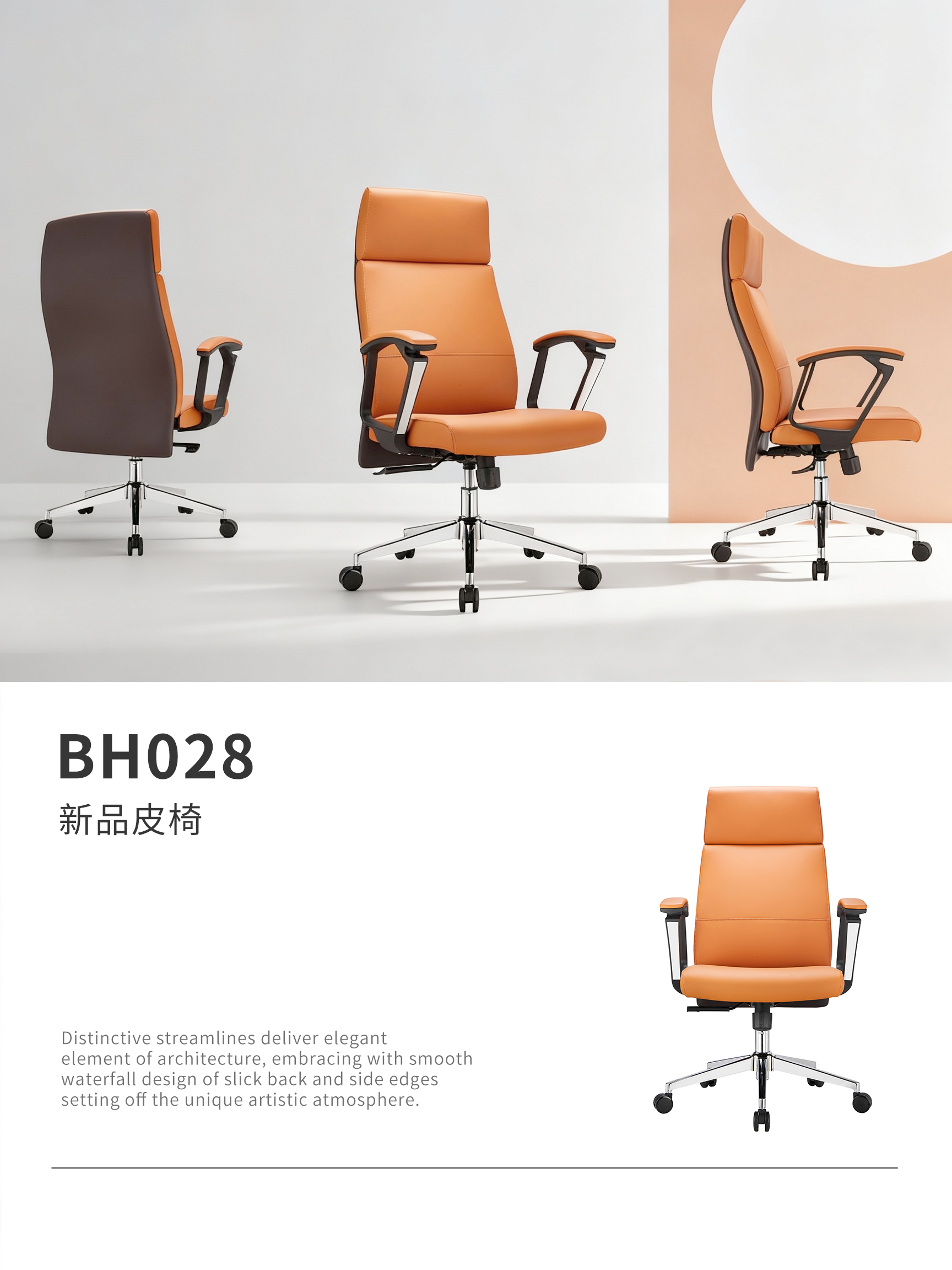
Forecast Corporate Demand Accurately to Prevent Ergonomic Chair Shortages
Mapping hybrid work patterns and office reconfigurations to seating demand volatility
The hybrid work setup has made predicting who will actually show up at the office each day pretty much impossible these days. Workers bounce back and forth between home and the workplace, so chair availability goes up and down like a roller coaster throughout the week. When companies switch to hot desking or reconfigure their spaces as open offices, things get even messier since people no longer have fixed spots. The result? Peak times crowd into shorter windows without warning. Businesses need to keep tabs on current occupancy numbers, look closely at how different departments rotate through the office, and dig into past usage stats to spot trends across seasons and weeks. Take midweek for example most offices see around 40 percent higher demand for seating compared to Monday mornings. Smart companies use dynamic models based on actual data to adjust their furniture stock accordingly they avoid running out when everyone shows up unexpectedly but also don't waste money buying too many chairs that just gather dust during slow periods.
Integrating HR onboarding data, real estate footprints, and occupancy analytics into demand models
Accurate forecasting hinges on synthesizing three authoritative data streams:
- HR onboarding timelines, which signal new hire start dates and baseline chair requirements;
- Real estate plans, including expansions, consolidations, or floor reconfigurations that directly impact total seating capacity; and
- Occupancy sensor data, which reveals actual utilization by floor, department, and workstation typeâ€"uncovering gaps between planned and observed usage.
When integrated, these inputs feed predictive algorithms that flag upcoming demand spikes, adjust for facility renovations or team relocations, and support just-in-time procurement. Organizations using this approach report an 18% reduction in storage costs and consistently achieve 95% fulfillment rates during peak onboarding cycles.
Optimize Bulk Ergonomic Chair Procurement Using Total Cost of Ownership (TCO)
3â€"5-year TCO modeling: Factoring in durability, warranty, service labor, and productivity impact
Smart procurement looks beyond upfront cost. A rigorous 3â€"5 year Total Cost of Ownership (TCO) model evaluates durability, warranty coverage, service labor, and the measurable impact on employee health and output. Key benchmarks from industry standards and peer-reviewed workplace health studies show:
- Premium ergonomic chairs last 7â€"12 yearsâ€"nearly triple the 3â€"5 year lifespan of budget alternatives;
- Chairs with 10+ year warranties reduce long-term repair costs by 60% (Industry Benchmarks 2023);
- Certified ergonomic adjustments cost $120 per incident without service agreements;
- Proper lumbar and posture support reduces musculoskeletal disorders by 31%, yielding an average annual savings of $17,000 per affected employee through reduced absenteeism, turnover, and workers’ compensation claims.
| Cost Factor | Budget Chair | Quality Ergonomic Chair |
|---|---|---|
| Annual Maintenance | $90 | $35 |
| Avg. Lifespan | 4 years | 12 years |
| Productivity Loss | 11.3 days/year | 2.1 days/year |
Why low-unit-price ergonomic chairs increase long-term costs: Evidence from lifecycle benchmarks
Lifecycle analysis consistently debunks the 'low-cost = low-risk' assumption. Though budget chairs average $220/unit versus $600+ for certified ergonomic models, their 4-year TCO exceeds premium options by 40% when accounting for:
- Three times the replacement frequency;
- $290/year in productivity losses per seat due to discomfort-induced distraction and fatigue; and
- $18,000 in cumulative HR-related costs per 100 chairsâ€"including posture-related absenteeism, early attrition, and ergonomic re-evaluations.
As confirmed by leading manufacturers' 2023 benchmarking data, mid-range ergonomic chairsâ€"designed to ISO 9241-5 and BIFMA e3 certifiedâ€"deliver 23% lower 5-year TCO despite higher initial investment.
Secure End-to-End Supply Chain Reliability for Ergonomic Chair Deliveries
Phased delivery coordination with facility readiness, IT rollout, and change management timelines
Getting ergonomic chairs into the office needs to fit right into the bigger picture of workplace changes rather than being treated as a separate task. The timing matters a lot when it comes to shipping these chairs. They should arrive when facilities are being rearranged, after IT finishes their cable work, and around when employees go through training sessions or new hire orientations. We've found that delivering chairs once the network cables are all set but before people start moving to their new desks saves time and money. Our experience shows this approach cuts down on wasted effort, speeds things up, and actually reduces labor costs by about 37% according to Facilities Management Association data from 2022. Planning across different departments like real estate, IT, HR, and operations helps spot those tricky situations where access might be limited during construction or when certain departments need to move first.
Enforcing SLAs for spare parts dispatch (<48h) and certified on-site ergonomic chair repairs
Operational continuity depends on enforceable service-level agreementsâ€"not vendor promises. Require suppliers to guarantee:
- Spare parts dispatch within 48 business hours for critical components (casters, gas lifts, armrest mechanisms);
- On-site repairs by BIFMA-certified technicians within five business days; and
- Loaner chair provisions for all repairs exceeding 48 hours.
Manufacturers offering lifetime frame warranties reduce total lifecycle costs by 29% compared to budget alternativesâ€"and standardized repair protocols prevent improper adjustments that compromise ergonomic integrity. These SLAs are not ancillary; they're foundational to sustaining the health, compliance, and productivity benefits ergonomic seating is designed to deliver.
FAQ
Why is accurate forecasting important for ergonomic chair procurement?
Accurate forecasting helps in managing supply and demand efficiently, ensuring that chair shortages do not result in operational disruptions, while also avoiding excess inventory that increases costs.
What factors should be considered when analyzing Total Cost of Ownership (TCO) for ergonomic chairs?
TCO analysis should include considerations of durability, warranty, service labor, and productivity impact to make informed decisions on long-term value rather than just upfront costs.
How can businesses ensure reliable delivery of ergonomic chairs?
Conduct phased deliveries coordinated with facility, IT, and change management timelines, and enforce service-level agreements for spare parts and repairs.