 EN

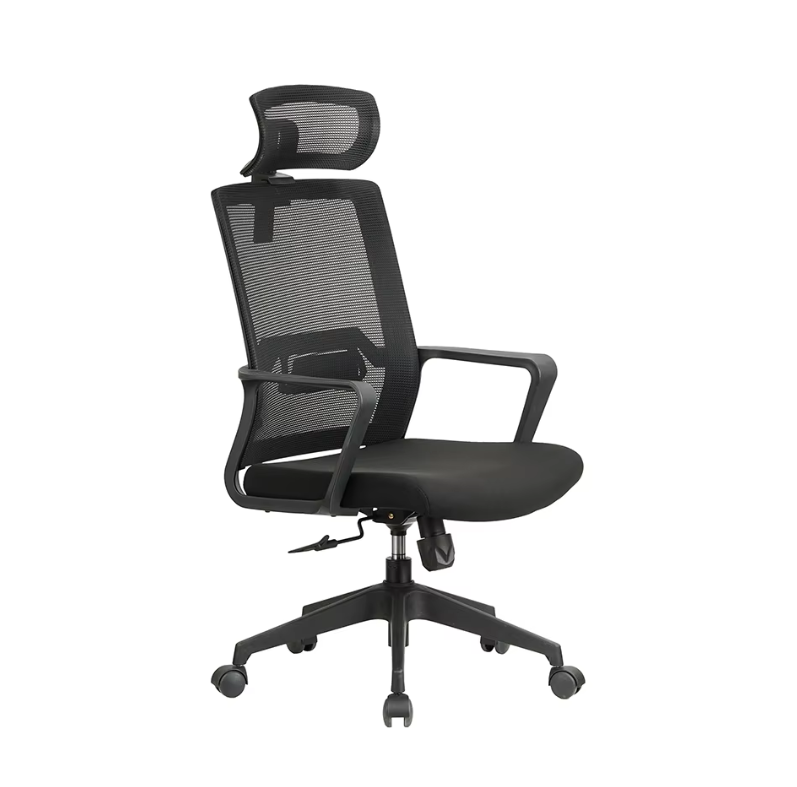
Daily care matters more than an annual deep clean
An office chair spends thousands of hours under a desk, and most of the wear comes from small repeated actions. Sitting down hard, rolling over cables, leaning back at odd angles, and leaving the chair in direct sun all shorten service life. A weekly two-minute routine often does more than a yearly overhaul. Wipe dust from the seat and backrest, check the casters for hair and grit, and listen for new squeaks. Those signals are early warnings. Ignoring them turns a simple fix into a replacement. Regular inspection does not require special tools, just a consistent schedule and a willingness to replace worn parts before they fail.
The parts that fail first and the reasons behind it
Casters, gas lifts, armrest pads, and tilt mechanisms are common failure points. Casters collect debris and lose rolling smoothness. Gas lifts can lose pressure over time, especially when users drop into the seat rather than sit down. Armrest pads crack from repeated pressure and sun exposure. Tilt mechanisms wear when lubrication dries out or when the chair is overloaded. Fabric and mesh can also degrade, but usually from abrasion and sunlight rather than structural load. Understanding this order helps maintenance teams focus on the right tasks. ANSI/BIFMA X5.1 is a widely used durability test standard for office seating, and it covers repeated load and cycling.
| Component | Common failure mode | Early warning sign | Practical maintenance action |
|---|---|---|---|
| Casters | Debris wrap, flat spots | Rough rolling, noise | Remove hair, clean raceway, replace if cracked |
| Gas lift | Pressure loss | Seat sinks slowly | Do not force, replace when unsafe |
| Armrests | Cracking, loosening | Wobble, sharp edges | Tighten screws, protect from sun |
| Tilt mechanism | Stiff or loose motion | Squeak, uneven tilt | Clean and apply suitable lubricant |
| Upholstery | Abrasion, staining | Fading, pilling | Vacuum, spot clean, avoid harsh solvents |
Cleaning that protects fabric, mesh, and foam
Harsh chemicals are a bigger threat than dirt in many offices. Alcohol based cleaners can dry out faux leather. Abrasive pads can pull fibers from mesh. Too much water can soak foam and cause odor or mold. A safer routine uses a soft brush, a vacuum with a upholstery attachment, and a mild detergent diluted in water. For mesh, a damp cloth and gentle circular motion works well. For fabric, blot rather than rub. For foam, avoid soaking. Let the chair air dry away from direct heat. Sunlight is not a drying tool. It is a slow killer of color and elasticity.
Lubrication and tightening without creating new problems
Squeaks often come from metal on metal contact, but not every squeak needs oil. Some noises come from loose bolts or worn bushings. Over lubrication can attract dust and create a grinding paste. A better approach is to identify the source first. Tighten bolts to a snug fit, not beyond. Use a lubricant recommended for moving chair parts, and apply it sparingly. Wipe away excess. Check the base and cylinder connection, the tilt pivot, and the armrest brackets. If a part is cracked or deformed, lubrication will not fix it. Replacement is the honest answer.
Lessons from a shared office seating audit
A facility team at a shared office space in a humid southern city audited 300 office chairs after three years of daily use. The first assumption was that poor quality caused most failures. The audit told a different story. More than half of the reported problems came from casters wrapped with hair and carpet fiber, plus loose armrest screws. Gas lift failures were real but less common. Chairs placed near windows showed faster fading and cracking on armrest pads. The team introduced a quarterly maintenance checklist and moved seating away from direct sun where possible. Failure reports dropped. The remaining gas lift issues still required replacement because a sealed cylinder cannot be repaired safely. That limitation is worth stating plainly.
Boke's role in seating that survives real offices
Good maintenance starts with a chair that is built to be maintained. Boke focuses on office seating manufacturing, quality control, and supply chain consistency. Production planning and component inspection help keep tolerances stable across batches. For buyers managing a large fleet, that consistency matters as much as the initial design. A chair that uses standard fasteners and accessible components is easier to service. Boke supports that practical side of seating, from component sourcing to production follow through. The result is a chair that responds well to care instead of fighting it.