 EN

Comfort is not a perk, it is a control variable for output
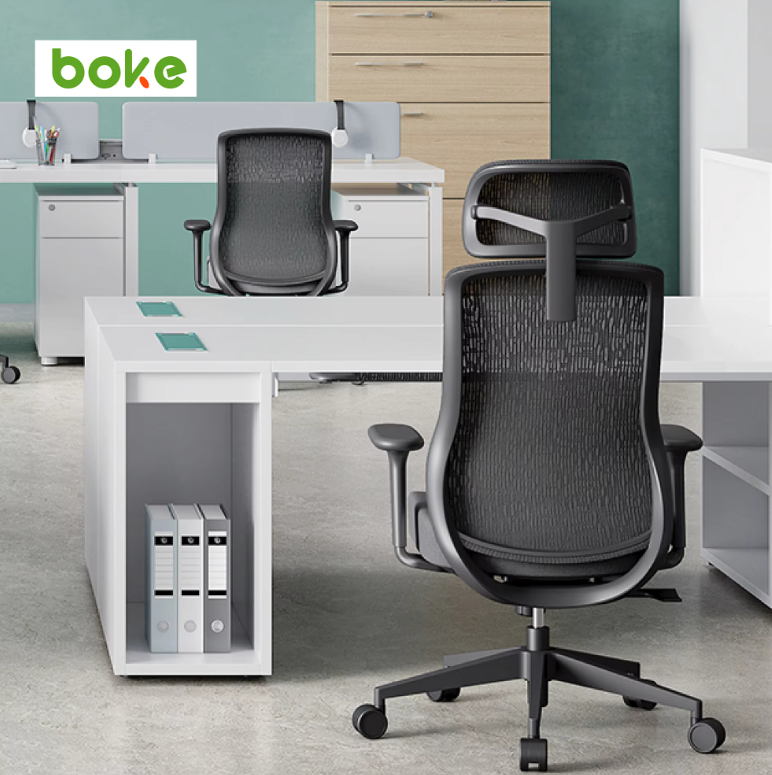
Office efficiency gets measured in tasks, tickets, calls, and deadlines. Comfort rarely appears on the dashboard. Yet discomfort quietly drains time. A worker shifting in a chair every few minutes loses focus. A sore lower back turns a full day into a countdown to leaving. An office chair ergonomic setup does not make someone smarter or faster by magic. It removes small physical distractions that accumulate. The logic is simple: when the body is supported, the brain has less noise to manage. That does not mean every ergonomic feature guarantees productivity. It means the chair is part of the work environment, not a piece of furniture outside the process.
What an ergonomic office chair actually adjusts
Ergonomic seating is often described with vague words like comfort and support. The useful parts are mechanical. Seat height, seat depth, lumbar height, lumbar depth, armrest position, back angle, and tilt tension all change how load moves through the body. A chair that only goes up and down is not ergonomic in any meaningful sense. Adjustment range matters because bodies differ. A fixed lumbar bump may fit one person and press into another. Armrests that cannot move may force shoulders up or elbows out. The goal is not a perfect posture that never changes. The goal is a chair that lets the user change position without losing support.
| Feature | Basic office chair | Ergonomic office chair |
|---|---|---|
| Seat height | Limited range | Adjustable range |
| Seat depth | Fixed | Adjustable or sized |
| Lumbar support | Fixed or absent | Adjustable height and depth |
| Armrests | Fixed | Adjustable or removable |
| Tilt | Basic or locked | Tension and lock control |
| Movement support | Static sitting | Encourages position changes |
| Best fit | Short or occasional use | Long desk sessions |
The body mechanics behind focus and fatigue
Sitting still for hours is not natural. Muscles in the back, hips, and legs work to hold the body upright. When a chair forces the same posture, those muscles fatigue. Blood flow slows in the legs. Pressure builds under the thighs and sit bones. The result is restlessness, not laziness. An ergonomic office chair reduces static load by supporting the lumbar curve and allowing subtle movement. Tilt tension matters here. If the backrest is locked upright, the user may lean forward and lose support. If tension is too loose, the chair feels unstable. Small adjustments, made correctly, change how long a person can stay engaged. The BIFMA X5.1 standard sets durability tests for office seating, and OSHA's computer workstation guidance recommends adjustable chair height, lumbar support, and armrests. Those references do not promise efficiency. They describe the conditions that make sustained desk work less punishing.
Where ergonomic seating pays off and where it does not
Ergonomic chairs tend to help most in roles with long sitting hours, shared desks, and mixed body sizes. They help less when the chair is set up once and never touched again. A premium chair with a locked backrest and armrests pushed too high is just an expensive stool. Three practical conditions make the difference:
-
Users understand how to adjust the chair.
-
The desk height and monitor position match the seated posture.
-
The chair is maintained, with casters and gas lifts replaced when worn.
Limitations should be stated. An ergonomic chair will not fix a poorly designed workstation, excessive overtime, or a medical condition. It can reduce discomfort, but it is not treatment. Buyers who expect a miracle from a single product usually end up disappointed.
A workplace trial that changed the seating spec
A shared service center in a humid southern city ran a seating trial with two hundred employees. The old chairs had fixed armrests and a simple height lever. Complaints focused on lower back fatigue and shoulder tension. The first replacement batch had adjustable lumbar support and movable armrests. Early results were mixed. A floor walk showed why. Many users had raised the seat too high and pushed the lumbar support into the wrong part of the back. After a short training session and a printed adjustment guide, comfort reports improved. The center also found that chairs near direct sun had faster wear on armrest pads, so seating was rearranged. The final specification was not the most expensive model. It was the model with the widest adjustment range and the easiest parts access. That combination made maintenance and daily use simpler.
Boke's role in practical ergonomic seating supply
A chair only delivers ergonomic value when it holds up in daily use. Boke focuses on office seating manufacturing, component consistency, and supply chain follow through. Stable tolerances across batches help buyers avoid the surprise of a good sample and a different production run. Accessible components and standard fasteners make long term maintenance easier. For organizations equipping many desks, that practical reliability matters as much as any single feature list. Boke supports that side of seating supply, from production planning to quality checks, so the chair remains adjustable and supportive after the first month, not just on delivery day.
Table of Contents
- Comfort is not a perk, it is a control variable for output
- What an ergonomic office chair actually adjusts
- The body mechanics behind focus and fatigue
- Where ergonomic seating pays off and where it does not
- A workplace trial that changed the seating spec
- Boke's role in practical ergonomic seating supply