 EN
EN

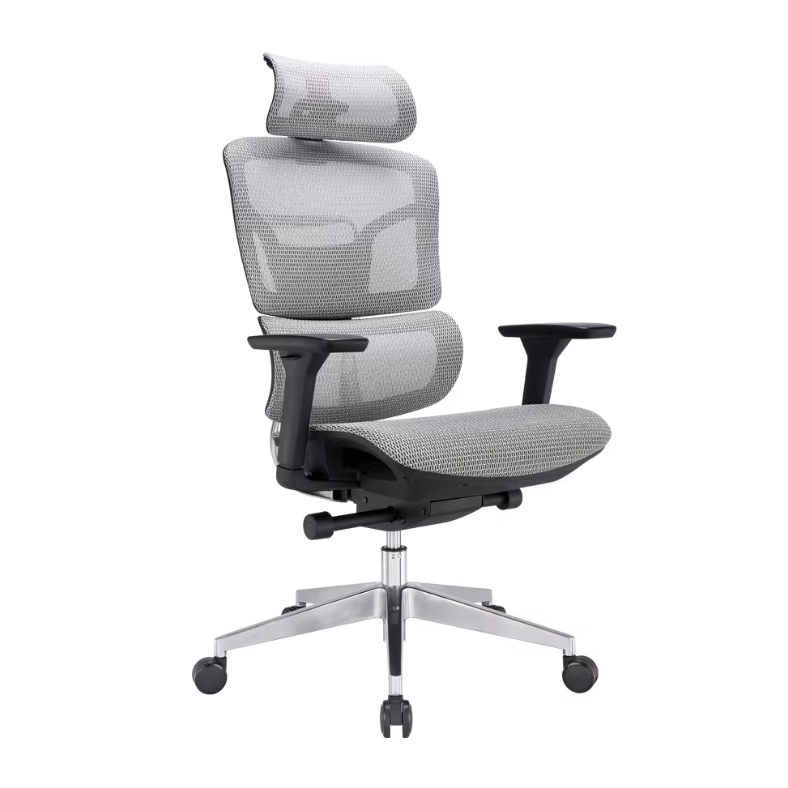
Adjustability Matters More Than Initial Comfort
The biggest mistake in buying office chairs is judging them by the first five minutes of sitting. A chair that feels comfortable right away can still cause problems after three hours if it doesn't adapt to the user's body. That's where adjustability comes in.
An adjustable mesh office chair lets different people sit in the same chair and still get proper support. Seat height, seat depth, lumbar position, armrest height, and recline tension all change how the chair fits. Without those adjustments, even a well-made chair only works for a narrow range of body types.
Office environments usually mean multiple users or long hours. Both situations reward chairs that can be fine-tuned. The more adjustments a chair has, the more likely it is to support healthy posture over a full workday.
Seat Height and Depth Set the Foundation
Seat height is the first adjustment to get right. The user's feet should rest flat on the floor, with knees bent at roughly ninety degrees. If the seat is too high, pressure builds under the thighs. If it's too low, the hips sit lower than the knees and the lower back rounds.
Seat depth is just as important. A seat that's too deep presses against the back of the knees and encourages slouching. A seat that's too shallow doesn't support enough of the thigh. The goal is a gap of about two to three fingers between the front edge of the seat and the back of the knee.
Many adjustable mesh chairs include a sliding seat pan that changes depth. That feature is easy to ignore, but it makes a real difference for taller and shorter users.
Lumbar Support Needs to Move, Not Just Exist
A fixed lumbar curve only works for a small percentage of users. People have different lower back shapes, and the support needs to align with the natural curve of each person's spine. That's why adjustable lumbar support matters so much in a mesh office chair.
Height-adjustable lumbar support moves the pressure point up or down to match the user's back. Depth adjustment changes how much the support pushes forward. Both controls together let the chair fit a wider range of body types.
Mesh backs complicate this because the fabric flexes. A lumbar pad that's too soft disappears into the mesh without providing real support. A firmer pad that keeps its shape works better. The best designs place the lumbar support behind the mesh where it can push through without creating a hard spot.
Armrests and Recline Tension Affect the Whole Body
Armrests seem like a minor feature, but they influence shoulder and neck comfort throughout the day. Adjustable armrests let users set the height so their shoulders stay relaxed and their elbows rest at a natural angle. Width and pivot adjustments help for different tasks, from typing to reading.
Recline tension controls how much resistance the user feels when leaning back. Too much tension makes the chair feel stiff. Too little makes it feel unstable. The right setting lets the user recline slightly without fighting the chair.
A good adjustable mesh chair also includes a recline lock or tilt limiter. That lets the user find a comfortable angle and stay there, which reduces fatigue during long meetings or phone calls.
Real Experience with Fitting a Mixed Team
A mid-sized office team in southern China was outfitted with a single model of mesh chair. The first round of feedback was mixed. Taller employees liked the chair, but shorter staff complained about pressure behind the knees and armrests that were too high.
The purchasing team switched to a model with a sliding seat pan, height-adjustable lumbar support, and four-dimensional armrests. After a week of use, the complaints dropped significantly. The same chair worked for people from about 155 centimeters to over 185 centimeters tall. The difference wasn't the mesh or the frame. It was adjustability.
That experience matches what ergonomic specialists often say. A chair that can adapt to the user is more valuable than a chair that simply looks ergonomic. The adjustments do the work.
What Ergonomists and Workplace Guidelines Say
Workplace ergonomics guidelines from occupational health organizations consistently recommend chairs with adjustable seat height, seat depth, lumbar support, and armrests. These features are considered basic requirements for prolonged seated work, not optional upgrades.
The reasoning is straightforward. No fixed chair can fit every body. Adjustments allow the chair to accommodate different heights, weights, and sitting habits. That reduces the risk of back pain, neck strain, and circulation problems over time.
Independent office furniture reviews also note that adjustability is one of the strongest predictors of long-term user satisfaction. A chair that can be tuned to the individual gets used more consistently and generates fewer complaints than a one-size-fits-all design.
How to Evaluate a Chair Before Buying
The best way to test an adjustable mesh chair is to spend real time in it. Ten minutes isn't enough. Users should adjust the seat height, move the lumbar support, set the armrests, and recline a few times. If any adjustment feels awkward or flimsy, the chair will likely frustrate users later.
Buyers should also check how the adjustments hold up. Knobs and levers that feel loose or hard to reach get ignored over time. Controls should be easy to reach while seated and should lock firmly in place.
The table below summarizes what to look for in each adjustment zone.
| Adjustment Zone | What to Check | Why It Matters |
|---|---|---|
| Seat height | Feet flat, knees at ninety degrees | Prevents thigh pressure |
| Seat depth | Two to three finger gap behind knees | Reduces slouching |
| Lumbar height | Matches natural lower back curve | Prevents lower back fatigue |
| Lumbar depth | Firm but not sharp | Keeps spine neutral |
| Armrest height | Shoulders relaxed | Reduces neck tension |
| Recline tension | Easy lean back without fighting | Supports posture changes |
Matching the Chair to the Office Environment
Different offices need different chair configurations. A call center with shared workstations needs chairs that adjust quickly and hold up under constant use. A design studio where people move between desks and meeting rooms may prioritize lighter chairs with simpler adjustments.
Climate also matters. Mesh chairs perform well in warm offices because they allow airflow. In colder environments, users may prefer a chair with a fabric or foam seat even if the back remains mesh. The right choice balances comfort, support, and the physical environment.
Budget is a real consideration, but adjustability shouldn't be the first thing cut. A chair with fewer adjustments may cost less upfront, but the hidden cost shows up as lower productivity and more complaints over time.
Why Boke Seating Focuses on Adjustable Mesh Designs
Choosing an adjustable mesh office chair isn't about finding the most features. It's about finding a chair where the adjustments work together to fit the user. Seat depth, lumbar position, armrest height, and recline tension all need to move smoothly and stay where they're set.
Boke Seating focuses on office seating solutions and understands how adjustability affects daily comfort. The company pays attention to frame design, mesh performance, and control mechanisms that hold their settings through years of use. That manufacturing experience shows up in chairs that fit a wider range of users and stay comfortable through long workdays.
Table of Contents
- Adjustability Matters More Than Initial Comfort
- Seat Height and Depth Set the Foundation
- Lumbar Support Needs to Move, Not Just Exist
- Armrests and Recline Tension Affect the Whole Body
- Real Experience with Fitting a Mixed Team
- What Ergonomists and Workplace Guidelines Say
- How to Evaluate a Chair Before Buying
- Matching the Chair to the Office Environment
- Why Boke Seating Focuses on Adjustable Mesh Designs