 EN
EN

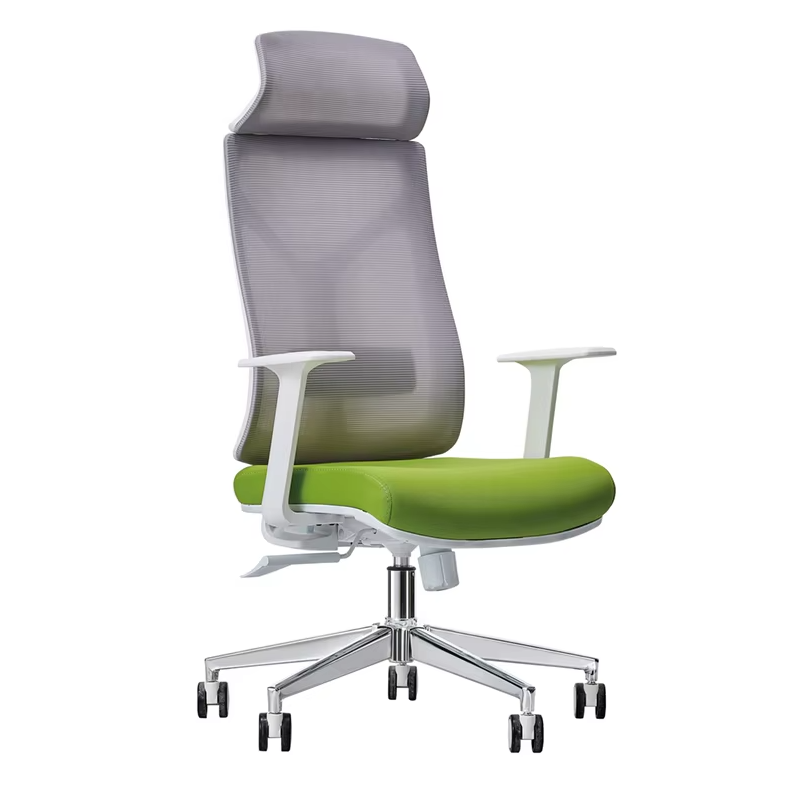
Why a Cheap Chair Becomes Expensive Fast
Business procurement teams often treat an office chair as a commodity item. A chair is a chair, so the logic goes, and the lowest bid wins. That thinking collapses once maintenance records and replacement cycles enter the picture. A low-cost chair may last eighteen months in a busy call center before the gas lift fails or the armrests crack. Replacing a hundred chairs at that pace costs more than buying quality upfront, especially when you factor in disposal, downtime, and employee frustration. The real cost of seating is not the purchase order line. It is the total spend across a five-year service cycle.
BIFMA Standards Separate Real Chairs From Imitations
The Business and Institutional Furniture Manufacturers Association publishes performance standards that serious procurement teams should know. BIFMA X5.1 covers general-purpose office chairs, setting test criteria for stability, strength, and durability under repeated loading. A chair that passes BIFMA testing has survived cycles that simulate years of daily use. A chair without that documentation may look identical in a catalog photo but fail quickly in a real workplace. Procurement managers who skip this check often inherit a warehouse full of chairs that wobble after six months. Asking for BIFMA compliance reports is the fastest way to filter out furniture that only looks commercial.
| Chair Type | Typical Price Range | Expected Service Life | Common Failure Point |
|---|---|---|---|
| Low-Cost Imported Task Chair | $80 to $150 | 12 to 18 months | Gas lift and armrests |
| Mid-Range Mesh Office Chair | $250 to $450 | 5 to 7 years | Mesh tension loss |
| High-End Ergonomic Chair | $600 to $1,200 | 8 to 10 years | Foam compression after heavy use |
| Training or Guest Chair | $120 to $250 | 3 to 5 years | Frame joints loosening |
What Happens in a Real Procurement Mistake
A regional insurance company in Ohio ordered 300 budget chairs for a newly renovated claims office. Within fourteen months, roughly a third of the chairs had broken armrests or sinking cylinders. The facilities team spent more time on chair repairs than on HVAC issues that year. When the lease renewal came up, the company replaced all 300 chairs with mid-range mesh office chairs that carried BIFMA certification. The new chairs cost about twice as much per unit, but the first two years produced zero repair tickets. The lesson from that project was simple: procurement decisions made without durability data eventually become facility management problems.
Ergonomics Is Not a Marketing Slogan
A reliable office chair supports the body in ways that cheap chairs ignore. Lumbar support should adjust independently of the backrest angle. The seat pan should allow enough depth adjustment so shorter and taller employees can both sit without pressure behind the knees. Armrests should move in height and width to match different desk setups. The Occupational Safety and Health Administration points to prolonged static postures as a risk factor for musculoskeletal disorders, and a chair that locks the user into one position makes that worse. Procurement teams should request a trial unit before committing to a bulk order, because a chair that feels fine for five minutes can cause real discomfort after a full workday.
Fabric and Foam Choices Affect Long-Term Appearance
An office chair used eight hours a day, five days a week, accumulates wear that showroom displays never see. Mesh backs breathe well but can sag if the tension system is cheap. Bonded leather looks good initially but peels within a few years under daily use. High-quality fabric upholstery with a high abrasion rating outlasts bonded leather and costs less than top-grain leather. Foam density matters too. Low-density foam compresses quickly and leaves users sitting on the frame. A reputable factory uses molded foam with consistent density and offers fabric options rated for commercial duty cycles. These details rarely appear on a product page, but they determine whether a chair still looks presentable after two years.
What to Ask Before Signing a Bulk Order
A few direct questions can protect a procurement budget. Ask for the BIFMA test report for the exact model under consideration, not just a similar chair in the same line. Request the foam density spec and the fabric abrasion rating, measured in Martindale cycles. Confirm that replacement parts like casters, cylinders, and arm pads will be available for at least five years. Verify whether the factory can handle custom colors or logo embroidery without delaying production. Boke has spent more than a decade building office chairs around these practical concerns, with in-house design and manufacturing that keep quality consistent from sample to bulk. For a procurement team that wants reliable seating without inflated costs, that kind of factory direct relationship removes many of the usual supply chain risks.