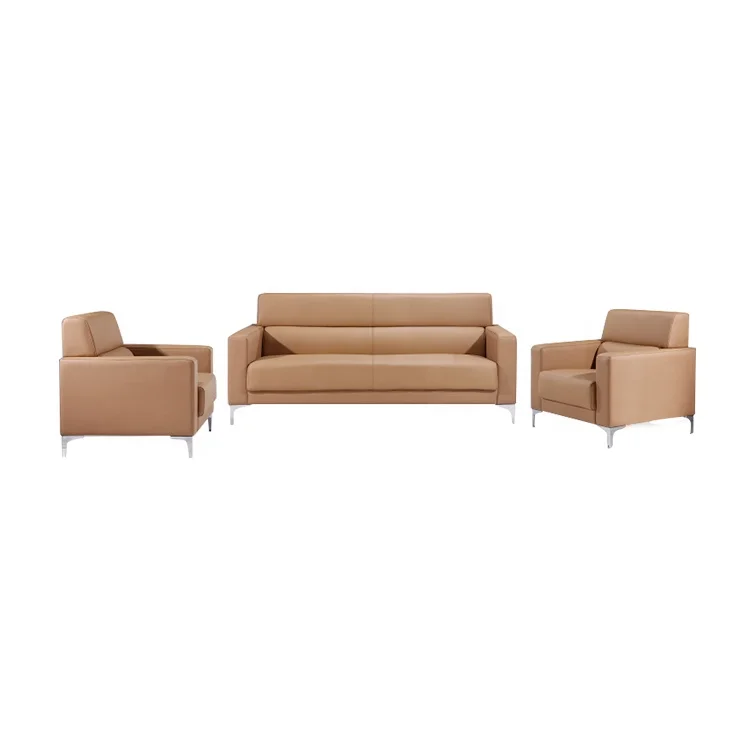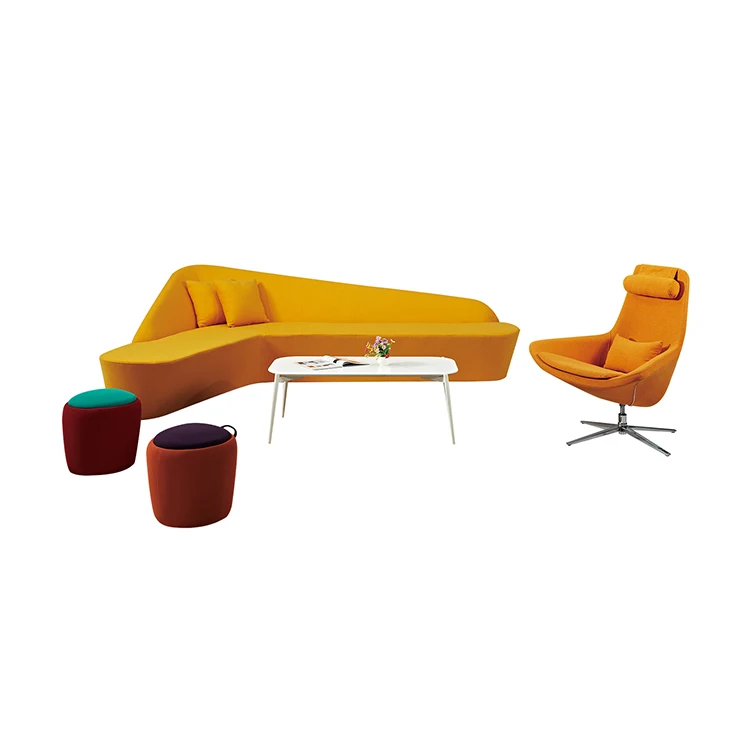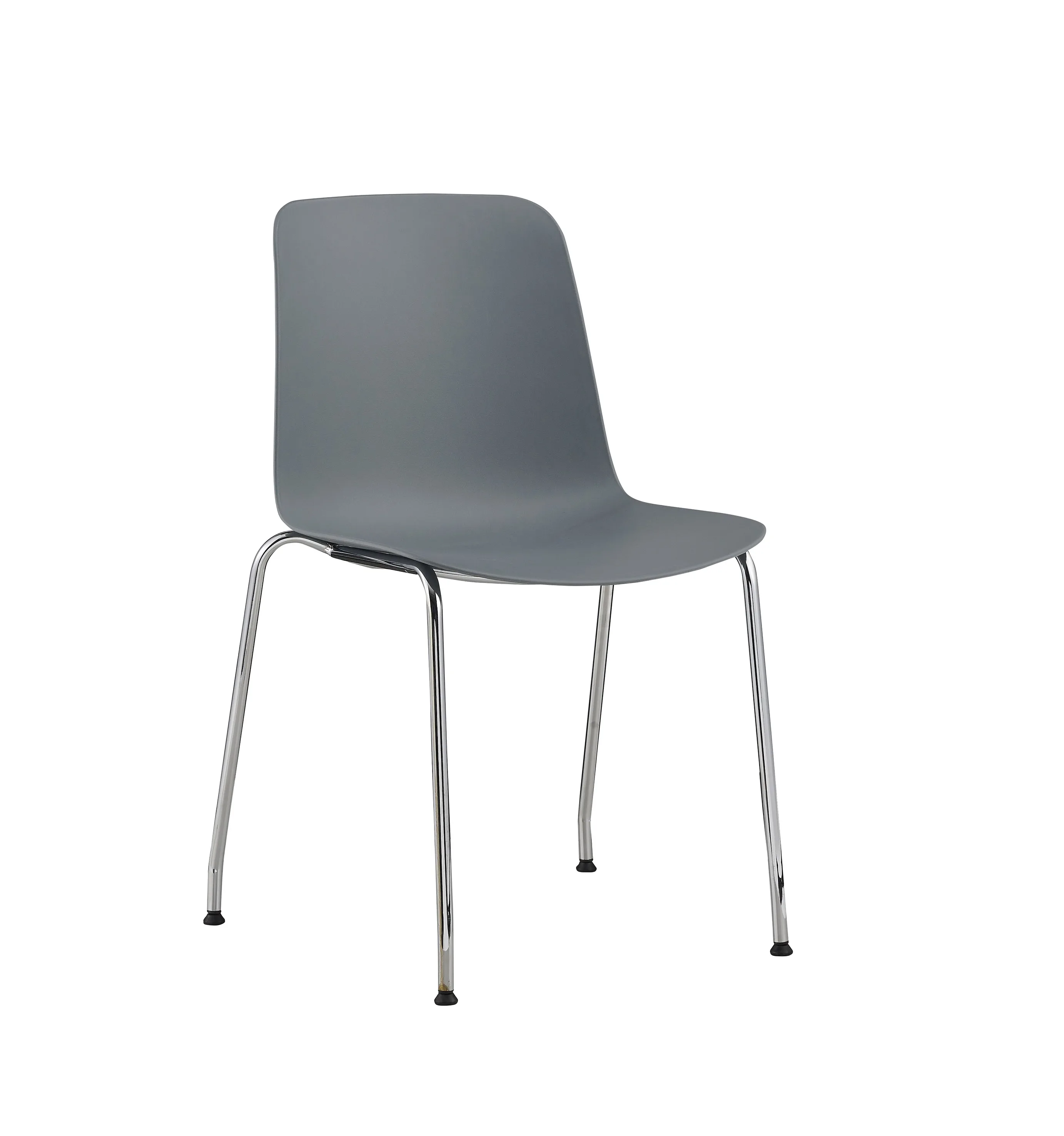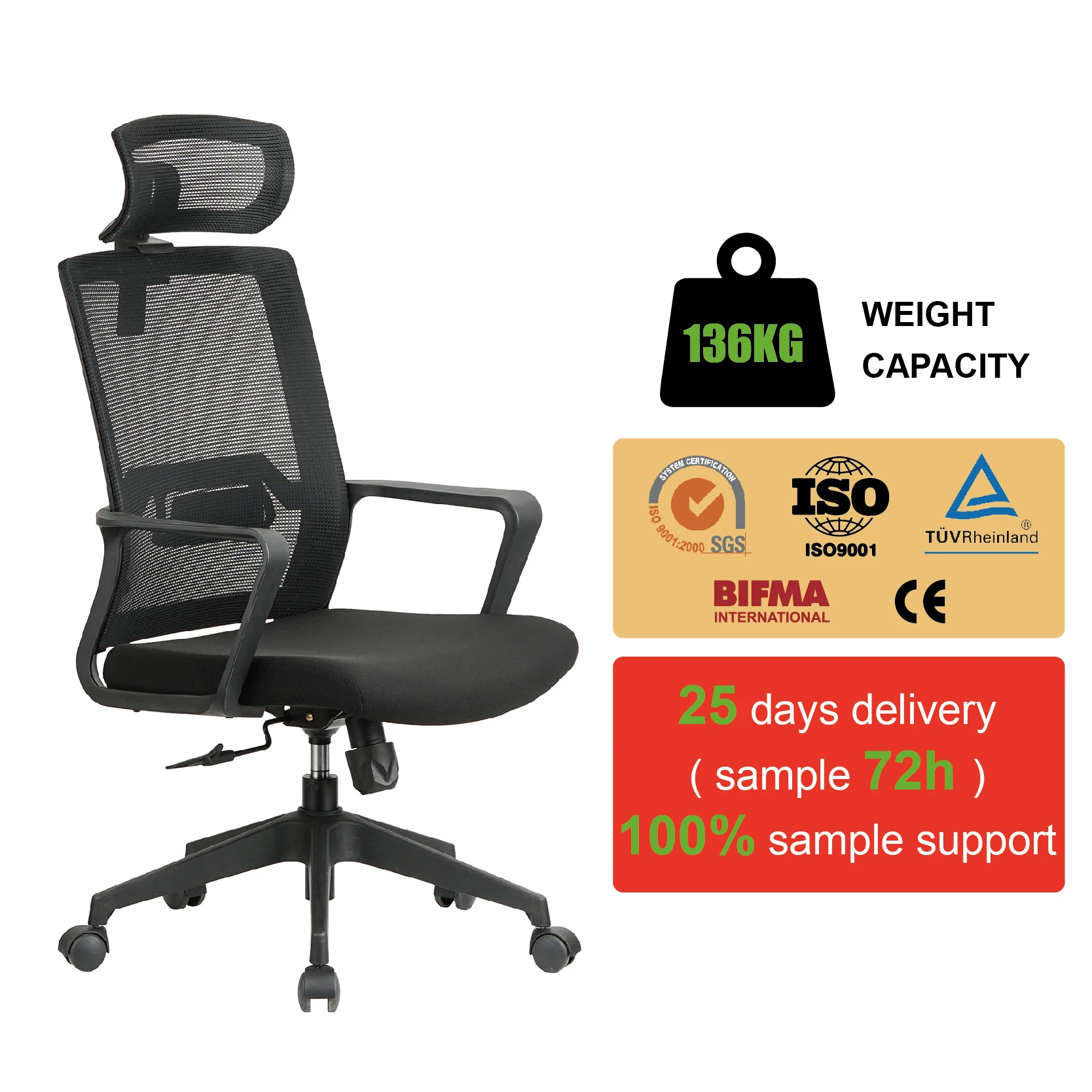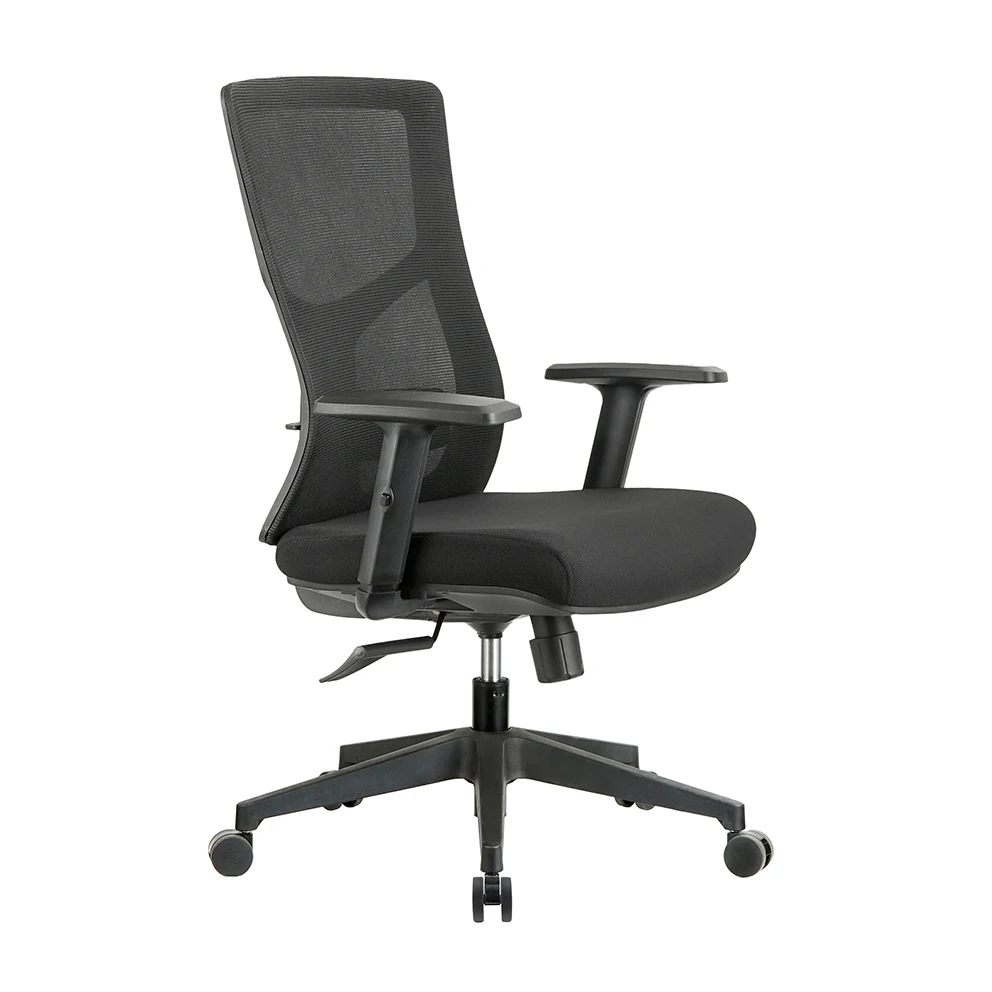
More than 65% of businesses in the Philippines are experiencing serious delays lasting over three months when trying to get large orders of ergonomic office chairs. This happens mainly because their supply chains are broken up into pieces and they depend too much on manufacturing centers in just one region. When companies concentrate all their production in one place, they end up exposed to problems like shipping holdups, running out of materials, and issues caused by political or economic instability in that area. The Ponemon Institute found in their 2023 research that these kinds of delays typically cost companies around $740,000 each year through lost work time and having to rent temporary chairs. For anyone buying ergonomic chairs for offices, it's really important to think ahead about how risks might spread throughout different countries where they operate, and create systems that can handle unexpected problems right from the beginning.
Mitigate delivery instability by partnering with certified suppliers across two or more geographic regions, such as combining manufacturers in Southeast Asia with those in Eastern Europe. This dual-sourcing strategy prevents single-point failures and enables flexible rerouting during disruptions. Complement this with staged regional warehousing near corporate hubs:
A BPO company based in Cebu solved their ongoing problem with not enough office chairs by working with Hinomi certified suppliers through a staged delivery system. Rather than ordering all chairs at once and waiting months for delivery, they started getting chairs every two weeks that matched when new employees joined the team. This cut down wait times significantly, going from 14 weeks down to just 8 weeks overall. The strategy saved money on storing extra furniture since chairs arrived right when needed, plus everyone still got properly fitted seating. Their supplier agreements required constant updates on where shipments were and kept backup parts available at the site itself, which meant broken chairs could be fixed much faster. Equipment stopped working dropped by around two thirds thanks to these changes. What this shows is that smart purchasing practices can make a real difference in keeping staff happy and operations running smoothly even during busy growth periods.
Big companies are cutting down on shipping headaches by setting up local assembly points and bonded storage spaces right next to busy commercial areas. These setups let businesses tweak products at the last minute and get large orders out fast while putting off paying import taxes until everything actually ships. Take Manila for example many local businesses saw their waiting periods drop between 30 to almost two months back in 2023. That means they could make changes on short notice without getting stuck waiting for cargo. The system also helps avoid those frustrating port backups and keeps extra stock ready when customer demand suddenly jumps. According to the latest APAC Logistics Review from 2024, around seven out of ten procurement managers said their operations ran much smoother after switching to this approach.
Ensure supply stability through three essential contractual safeguards:
Most standard 5 year warranties on ergonomic chairs leave out frame fatigue, which is actually the number one reason these chairs fail structurally when used heavily day after day, even though they do cover things like hydraulics and casters. What this means for companies is having to deal with surprise expenses down the road since damaged frames are responsible for around a quarter of all early chair failures in office environments. Some of the bigger manufacturers have started offering special certification programs lately that give complete coverage for structural parts, so businesses can get real protection from wear and tear that happens during constant usage throughout the workweek.
| Warranty Coverage Comparison | Standard 5-Year Warranty | Certified Full Coverage |
|---|---|---|
| Frame Fatigue Protection | Excluded | Included |
| Hydraulic/Pneumatic Components | Included | Included |
| Casters/Base | Included | Included |
| Labor Costs | Often excluded | Included |
Keeping equipment running as much as possible means combining good coverage with smart spare parts planning. Companies should keep important parts like seat mechanisms, armrest hardware, and tilt control assemblies readily available at their facilities so problems can be fixed quickly, usually within two days or less. Going with original manufacturer parts instead of cheaper knockoffs makes sense for several reasons. The parts fit better, work longer, and maintain the intended comfort level that workers expect. When businesses implement both these approaches together, they tend to see around a 60% drop in downtime according to industry reports. Plus, products last significantly longer than what's covered under standard warranties, which means better return on investment and happier employees who aren't dealing with broken chairs all the time.
The delays are primarily due to fragmented supply chains and reliance on manufacturing centers in one region, leading to issues like shipping holdups and material shortages.
Implementing dual-sourcing across geographical regions and utilizing regional distribution networks with pre-positioned inventory and modular assembly facilities can help reduce instability and transit times.
Localized assembly hubs near commercial areas allow for faster order fulfillment and the ability to make last-minute product adjustments, thus reducing shipping headaches and port backups.
Standard warranties often exclude frame fatigue, which can lead to structural failures. Companies should look for certification programs offering full coverage for structural parts.
 Hot News
2025-03-27
2024-12-28
2024-12-28
2024-12-28
2024-12-09
Copyright © 2024 by Foshan Boke Furniture Co., Ltd. — Privacy Policy
 EN
EN